


What Makes Planner 5D a Game-Changer in Home Design
In the rapidly evolving world of digital tools, Planner 5D has emerged as a revolutionary platform that simplifies home design for everyone. Unlike traditional software that requires technical expertise, this tool bridges the gap between creativity and functionality.
Its intuitive system allows users to design spaces visually without needing architectural knowledge. This democratization of design is what makes Planner 5D stand out—it empowers everyday users to take control of their living spaces and bring their ideas to life.
The platform’s ability to combine ease of use with advanced visualization tools ensures that both beginners and professionals can benefit from its capabilities.
Step-by-Step Guide to Getting Started
Starting with Planner 5D is simple and straightforward. Users begin by creating an account and choosing whether to design from scratch or use a pre-built template.
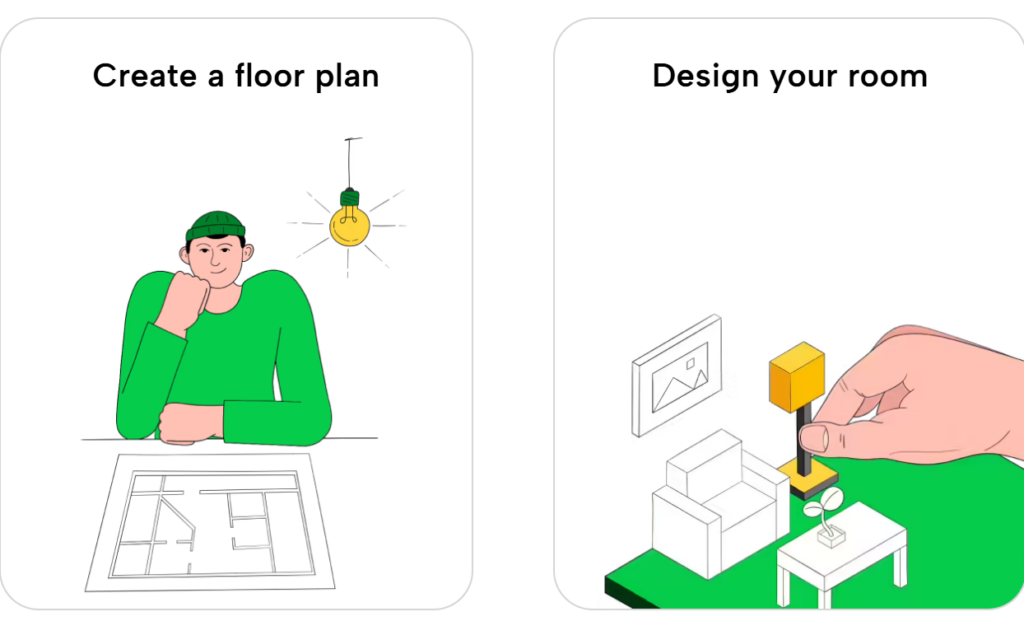
The first step involves building a floor plan. Users can define room dimensions, add walls, and create layouts that reflect real-world spaces. The software’s precision tools ensure accuracy, which is essential for practical applications.
Next, doors, windows, and structural elements are added. These components can be adjusted to match specific design requirements.
Once the structure is complete, users can move on to furnishing and decorating. The extensive catalog allows for endless customization, enabling users to experiment with different styles and layouts.
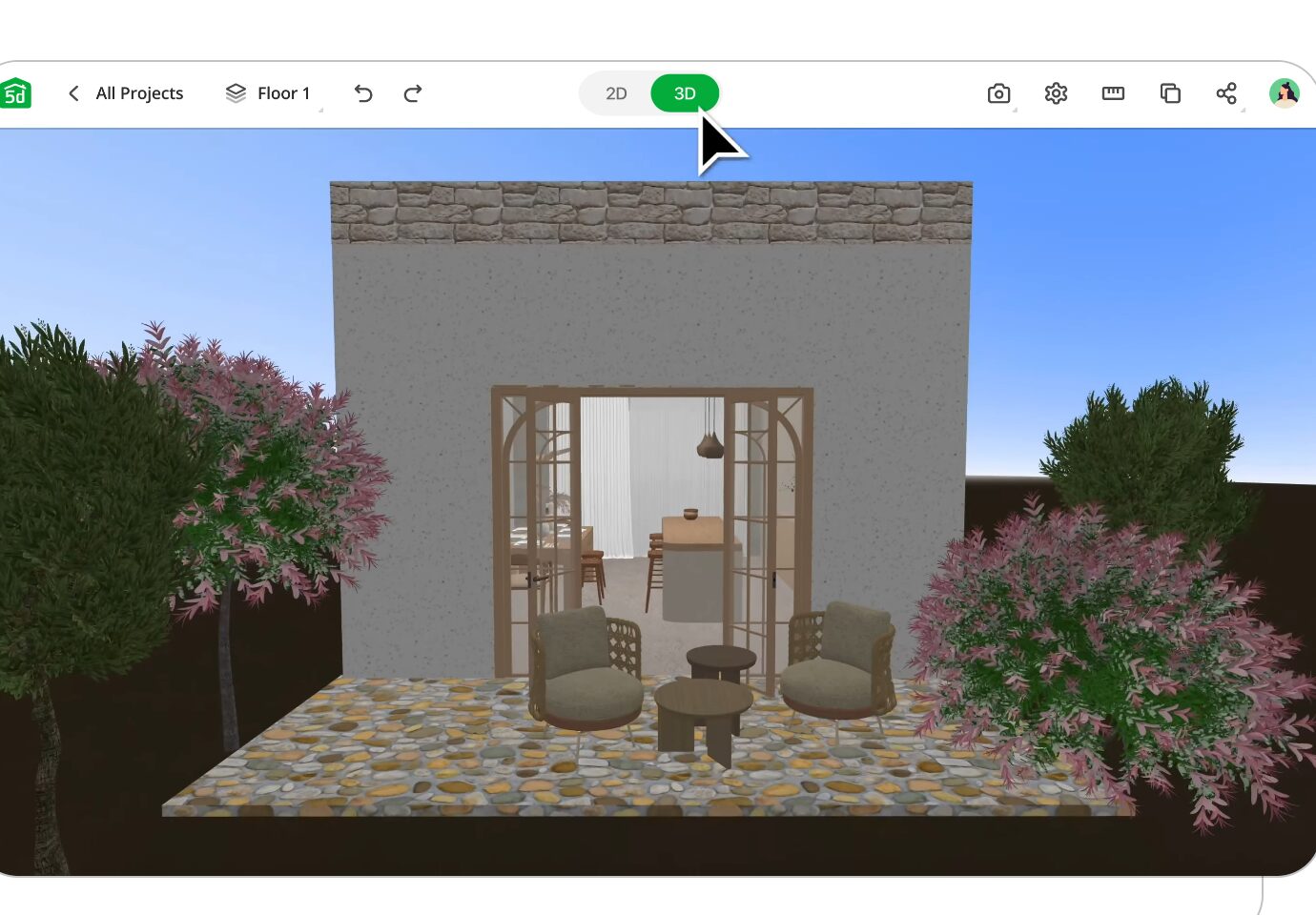
Finally, switching to 3D mode brings the design to life, allowing users to explore their space from various angles and perspectives.
Designing Different Rooms with Planner 5D
Planner 5D is versatile enough to handle the design of every room in a home. Each space has unique requirements, and the platform provides tools to address them effectively.
Living rooms can be designed with a focus on comfort and aesthetics. Users can experiment with furniture placement, lighting, and décor to create inviting spaces.
Kitchens require careful planning for functionality. Planner 5D allows users to arrange cabinets, appliances, and workspaces efficiently.
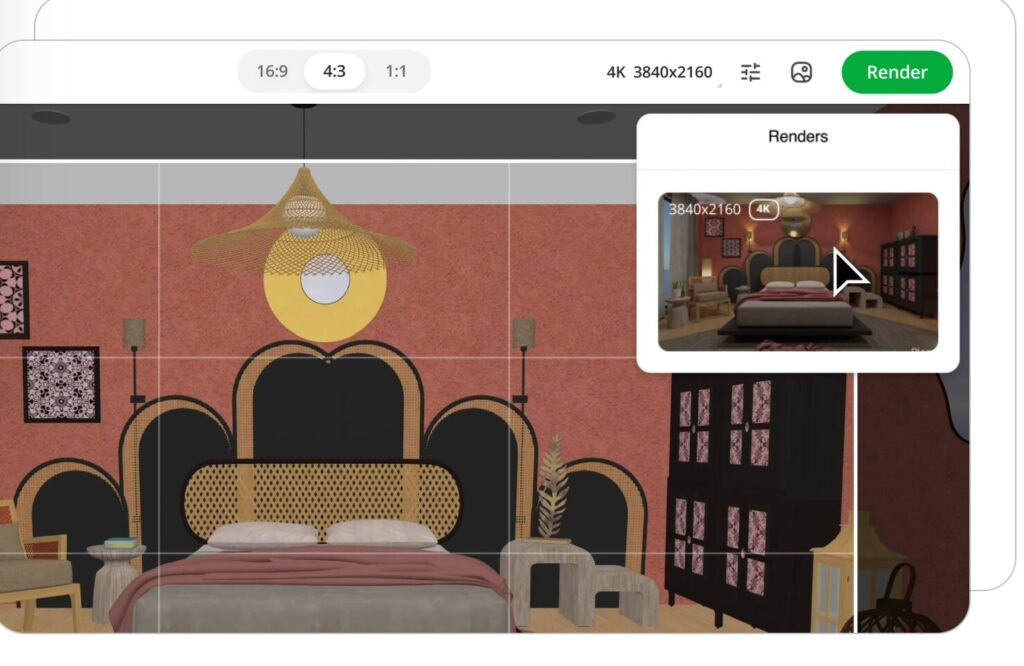
Bedrooms can be customized to reflect personal style, with options for beds, wardrobes, and decorative elements.
Bathrooms can be designed with attention to fixtures, storage, and lighting, ensuring both practicality and elegance.
Outdoor spaces, such as gardens and patios, can also be visualized, making Planner 5D a comprehensive design tool.
Planner 5D for Interior Styling and Decoration
Beyond structural design, Planner 5D excels in interior styling and decoration. Users can experiment with color schemes, textures, and furniture arrangements to create visually appealing spaces.
The platform allows for detailed customization, enabling users to match their designs with real-world materials and finishes. This is particularly useful for those looking to replicate existing interiors or test new ideas.
Decorative elements such as rugs, curtains, and artwork can be added to enhance the overall look. These small details play a significant role in creating a cohesive design.
By combining functionality with aesthetics, Planner 5D helps users achieve professional-quality results.
How Planner 5D Enhances Creativity
Planner 5D is not just a tool—it’s a platform for creativity. Its user-friendly interface encourages experimentation, allowing users to try different ideas without fear of making mistakes.
The ability to undo changes and test multiple layouts gives users the freedom to explore various design possibilities. This iterative process is essential for developing creative solutions.
Templates and community projects provide inspiration, helping users discover new styles and techniques. By learning from others, users can improve their skills and expand their creative horizons.
Planner 5D for Professional Use
While Planner 5D is beginner-friendly, it also offers significant value for professionals. Interior designers use it to create quick concept designs and present ideas to clients.
Real estate agents use the platform for virtual staging, showcasing properties in a more appealing way. This helps potential buyers visualize the potential of a space.
Businesses use Planner 5D for planning office layouts, retail spaces, and other commercial environments. Its ability to provide clear visualizations makes it a valuable tool for decision-making.
Although it may not replace advanced tools like AutoCAD, it serves as an excellent complement for conceptual design.
Tips for Maximizing Efficiency
To get the most out of Planner 5D, users should focus on efficiency. Starting with a clear plan helps streamline the design process.
Using templates can save time and provide a solid foundation for new projects. Organizing elements and working in layers can also improve workflow.
Regularly switching between 2D and 3D views ensures that designs remain accurate and visually appealing.
Saving progress frequently and using cloud features helps prevent data loss and allows for easy access across devices.
The Impact of Technology on Home Design
The rise of tools like Planner 5D reflects a broader trend in the design industry. Technology is making design more accessible, efficient, and collaborative.
Digital tools allow users to visualize ideas before implementing them, reducing uncertainty and improving outcomes. This shift is transforming how people approach home design.
Planner 5D is at the forefront of this change, offering a platform that combines innovation with usability.
Future Potential of Planner 5D
The future of Planner 5D looks promising, with continuous advancements in technology driving its development. Features such as artificial intelligence, virtual reality, and augmented reality are expected to play a significant role.
AI can provide personalized design suggestions, while VR and AR can offer immersive experiences. These innovations will further enhance the platform’s capabilities and user experience.
As sustainability becomes a priority, Planner 5D may also introduce tools for eco-friendly design, helping users create energy-efficient spaces.