


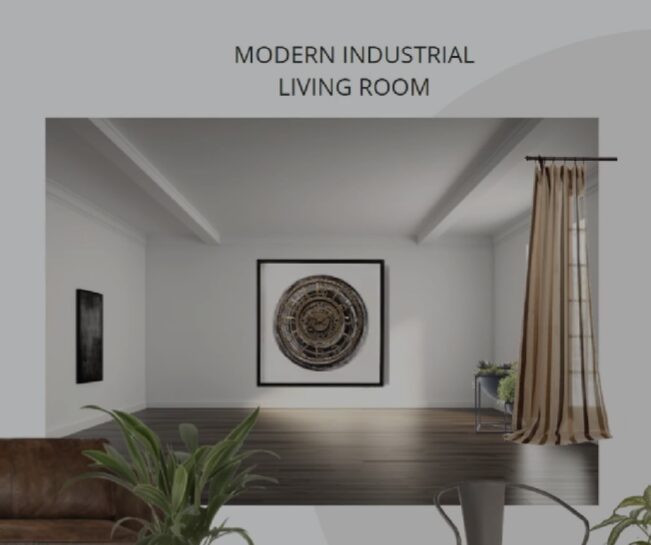
The world of home design has evolved dramatically over the past decade. What once required stacks of graph paper, complex drafting tools, and professional training can now be achieved with intuitive digital platforms. Among these tools, Planner5D stands out as a powerful solution that bridges imagination and reality. Whether you are renovating a small apartment, building a new house, or simply reimagining a single room, this online platform makes interior design and floor planning accessible to everyone.
Planner5D simplifies the process of visualizing a space before any physical work begins. Instead of guessing how furniture will fit or how colors will interact, users can experiment freely in a virtual environment. This ability to preview home design choices eliminates costly mistakes and inspires creative exploration. From detailed floor plans to immersive 3D modeling, the platform empowers homeowners, students, designers, and hobbyists alike.
The appeal of Planner5D lies in its balance between simplicity and depth. Beginners can quickly draw floor plans and arrange furniture with drag-and-drop tools, while advanced users can fine-tune textures, lighting, and spatial dimensions for realistic interior design presentations. This flexibility makes it suitable for a wide range of projects, from small room upgrades to comprehensive architectural concepts.
Home design is not only about aesthetics; it is also about functionality. Floor planning ensures that every square meter serves a purpose, whether maximizing storage in a compact home or creating open, breathable layouts in larger properties. Planner5D integrates both aspects seamlessly, allowing users to align style with practicality. Through detailed 3D modeling, it becomes easier to see how circulation paths flow, how natural light interacts with walls, and how furniture placement impacts comfort.
Digital tools like Planner5D also encourage experimentation. Want to test a bold wall color? Curious how a minimalist interior design would look compared to a rustic theme? Instead of repainting or moving heavy furniture, you can adjust everything virtually. This freedom transforms the design process into a creative journey rather than a stressful obligation.
In addition, online access makes collaboration simple. Families can work together on their future home design, sharing ideas and feedback in real time. Interior designers can present multiple floor planning concepts to clients without expensive physical mockups. Students studying architecture or interior design can practice 3D modeling skills without investing in high-end software. The accessibility of Planner5D democratizes design in ways that were previously unimaginable.
Ultimately, the foundation of any successful home design project lies in clear visualization. When you can see your ideas in a realistic format, decision-making becomes easier and more confident. Planner5D provides that clarity through intuitive floor planning tools and immersive 3D modeling features, guiding users from rough sketches to polished, lifelike interiors.
Creating Accurate Floor Planning with Planner5D
Effective floor planning is the backbone of any successful home design. Without a well-thought-out layout, even the most beautiful interior design can feel cramped or inefficient. Planner5D offers a streamlined approach to developing precise floor plans, ensuring that spaces are both functional and aesthetically pleasing.
The process begins with defining the structure. Users can draw walls to exact dimensions, shape rooms according to real measurements, and replicate architectural features such as doors, windows, and staircases. This accuracy is crucial in 3D modeling because even minor discrepancies in floor planning can affect the final visualization. Planner5D allows users to input specific measurements, creating a reliable digital representation of the physical space.
Once the structural framework is complete, attention shifts to zoning. Good home design considers how spaces connect and interact. For example, the relationship between the kitchen and dining area influences daily convenience, while the placement of bedrooms affects privacy. Through floor planning tools, users can experiment with different configurations to determine the most efficient arrangement.
Open-concept layouts have become increasingly popular in modern interior design. Planner5D makes it easy to test such concepts by removing virtual walls and observing how light and movement flow throughout the space. Alternatively, those who prefer defined rooms can explore partition options and see how they impact ambiance and acoustics.
Another advantage of digital floor planning is adaptability. If a layout feels too tight or too expansive, adjustments can be made instantly. Traditional drafting methods require redrawing plans from scratch, but Planner5D allows users to modify dimensions with minimal effort. This flexibility encourages exploration and refinement, leading to more thoughtful home design outcomes.
Accessibility is also enhanced through intuitive navigation. Even users without prior experience in 3D modeling can understand how to place walls, adjust room sizes, and add architectural elements. The interface guides users step by step, making complex floor planning tasks approachable and manageable.
Lighting and orientation are additional aspects that can be considered during the planning phase. By simulating window placement and natural light direction, users can optimize room positioning. This ensures that living areas receive adequate daylight while bedrooms remain comfortably shaded.
Moreover, floor planning within Planner5D supports both 2D and 3D perspectives. In 2D mode, users focus on structural accuracy and spatial relationships. Switching to 3D modeling mode brings the layout to life, offering a realistic preview of how the finished space will feel. This dual perspective strengthens design decisions and prevents oversights.
Accurate floor planning sets the stage for successful interior design. With Planner5D, users can move confidently from structural outlines to detailed styling, knowing that their foundation is solid and precise.
Enhancing Interior Design Through Realistic 3D Modeling
Interior design thrives on visualization. Colors, textures, materials, and furniture all interact to create a cohesive atmosphere. Planner5D elevates the home design process by integrating realistic 3D modeling that transforms abstract ideas into immersive experiences.
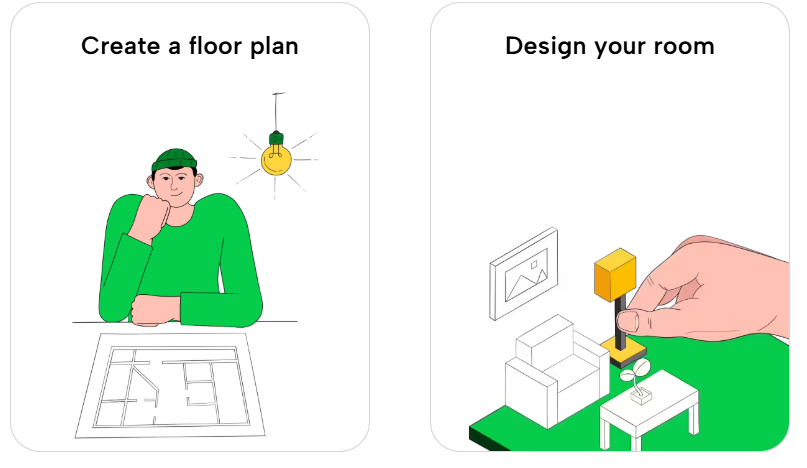
Once the floor planning stage is complete, users can begin furnishing their space. The platform offers an extensive catalog of items, including sofas, beds, cabinets, lighting fixtures, decorative elements, and more. Each piece can be resized, rotated, and positioned to fit the layout perfectly. This flexibility ensures that interior design decisions align with actual spatial constraints.
Realistic 3D modeling allows users to experiment with different styles. A contemporary living room with clean lines and neutral tones can be swapped for a cozy, traditional aesthetic with warm textures and layered décor. Instead of relying solely on imagination, users can see these variations in real time, making comparisons easier and more informed.
Material customization is another key feature. Walls can be painted in various colors, floors can be changed from hardwood to tile, and furniture upholstery can be altered to suit personal preferences. These adjustments highlight how small changes in interior design can significantly impact the overall mood of a home.
Lighting plays a critical role in 3D modeling. Planner5D enables users to adjust light intensity, placement, and even time of day. Observing how sunlight filters through windows or how artificial lighting enhances evening ambiance provides deeper insight into the effectiveness of a home design.
Textures and shadows further enhance realism. High-quality rendering ensures that surfaces reflect light naturally, creating lifelike visuals. This level of detail helps users assess whether design elements harmonize or clash.
The immersive aspect of 3D modeling also supports emotional connection. When users walk through their virtual home design, they can better imagine daily life within that space. This experiential approach transforms interior design from a technical task into a personal journey.
For professionals, realistic visuals are invaluable when presenting concepts to clients. Instead of describing ideas verbally, designers can showcase detailed 3D modeling renderings that communicate vision clearly and convincingly. This transparency builds trust and reduces misunderstandings.
In educational settings, 3D modeling with Planner5D serves as a practical learning tool. Students studying interior design can test theoretical principles in simulated environments, observing how proportion, balance, and scale function in real scenarios.
Through advanced 3D modeling, Planner5D ensures that home design becomes both creative and precise. Visualization fosters confidence, turning abstract dreams into tangible digital realities.
Practical Applications of Planner5D for Modern Living
The versatility of Planner5D extends beyond simple decoration. It supports a wide range of practical applications that enhance everyday living. From renovation planning to new construction concepts, the platform adapts to diverse needs.
Homeowners planning renovations benefit significantly from accurate floor planning. Before knocking down walls or investing in new materials, they can test ideas digitally. This prevents costly errors and ensures that changes align with overall home design goals.
Renters can also use Planner5D to personalize temporary spaces. Even if structural modifications are limited, interior design adjustments such as furniture arrangement and color schemes can be explored virtually. This helps renters create comfortable environments within existing constraints.
Real estate professionals leverage 3D modeling to showcase potential layouts to buyers. Empty properties can be staged digitally, helping prospective homeowners visualize possibilities. This application of home design technology enhances marketing strategies and increases engagement.
Educational institutions incorporate floor planning and interior design exercises into curricula. Students gain hands-on experience in 3D modeling, strengthening both technical and creative skills. The accessibility of Planner5D makes it suitable for classrooms without advanced software resources.
Families building new homes can collaborate effectively through shared projects. Each member can contribute ideas, experiment with layouts, and review 3D modeling previews together. This collaborative approach ensures that the final home design reflects collective preferences.
Small business owners planning office spaces or retail environments also benefit. Effective floor planning improves workflow efficiency and customer experience. Interior design decisions influence branding and atmosphere, while 3D modeling allows owners to test configurations before committing to physical changes.
Ultimately, Planner5D adapts to various scenarios, making home design accessible, practical, and innovative for modern lifestyles.
The Future of Digital Home Design with Planner5D
As technology continues to evolve, digital home design tools are becoming more sophisticated and intuitive. Planner5D represents a significant step toward integrating creativity with advanced 3D modeling capabilities.
The future of floor planning will likely incorporate even more immersive experiences, such as virtual reality walkthroughs and enhanced rendering technologies. These advancements will allow users to step inside their home design projects with unprecedented realism.
Artificial intelligence may also play a larger role in interior design recommendations. By analyzing user preferences and spatial data, platforms like Planner5D could suggest optimized layouts, color palettes, and furniture arrangements automatically. This would streamline the design process while preserving personal creativity.
Sustainability considerations are increasingly important in home design. Digital floor planning tools can help users evaluate energy efficiency, natural light utilization, and material choices before construction begins. 3D modeling enables environmentally conscious decisions without physical waste.
Collaboration will continue to expand through cloud-based platforms. Designers, architects, and homeowners across different locations can work simultaneously on shared projects. Planner5D’s online accessibility positions it well within this evolving landscape.
As more individuals seek personalized living environments, tools that simplify interior design and 3D modeling will become essential. Planner5D empowers users to take control of their home design journey, combining imagination with precision.