


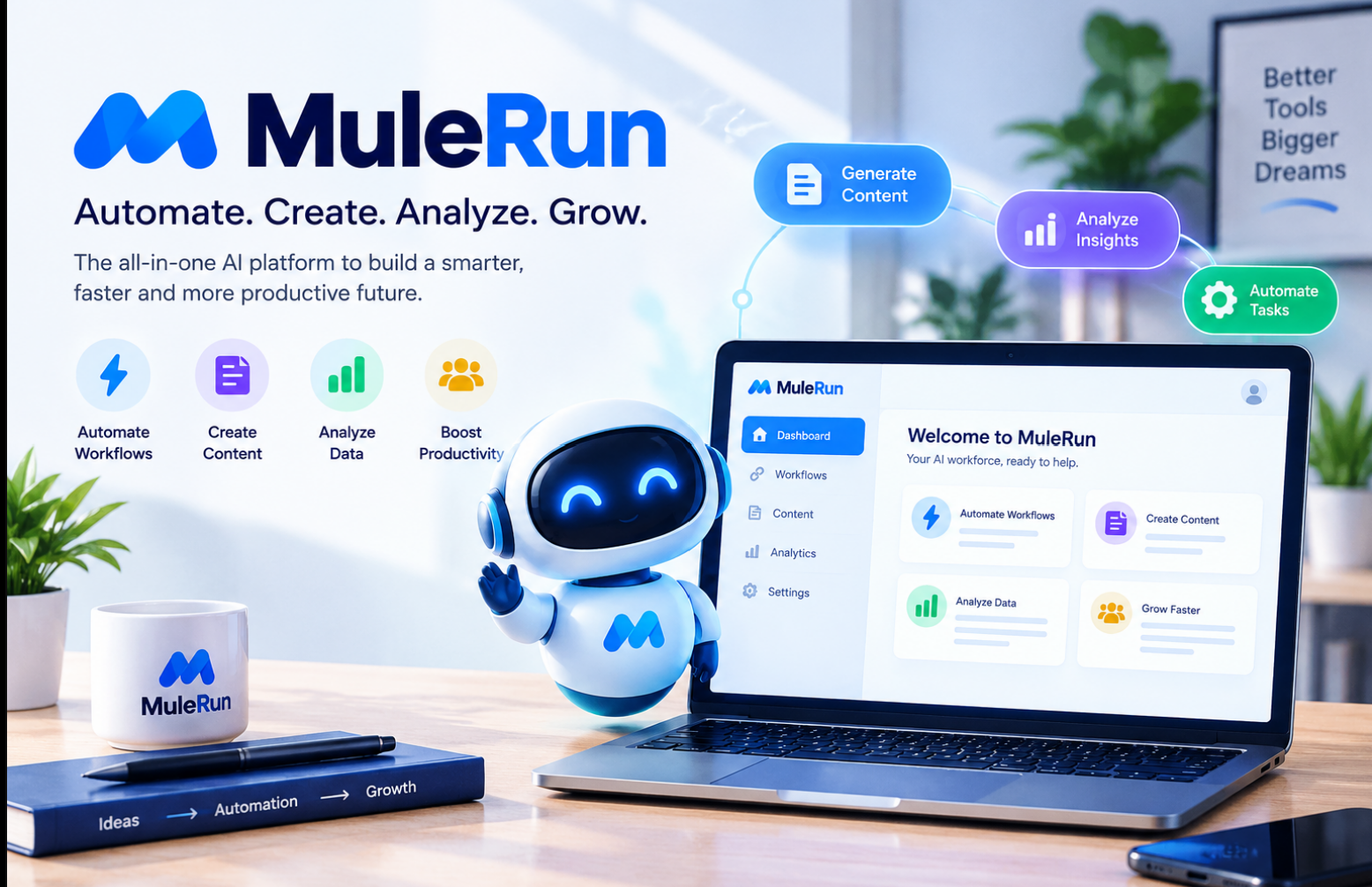
Transform Daily Productivity With MuleRun And Modern AI Automation
The way people manage everyday work is changing as artificial intelligence becomes an important part of digital productivity. Businesses, professionals, entrepreneurs, and individuals are constantly looking for better ways to complete tasks, organize information, and manage responsibilities. Repetitive activities can consume valuable time that could otherwise be spent on creative thinking, planning, and business development. AI-powered automation offers a practical approach to making everyday work more organized and efficient.
MuleRun represents this growing approach to productivity by bringing AI agents into everyday digital workflows. Instead of handling every small activity manually, users can explore ways to delegate suitable tasks to intelligent agents. These agents can assist with activities such as research, writing, information organization, analysis, and other routine digital work. This creates opportunities to manage workloads more effectively while maintaining greater focus on important priorities.
Modern AI automation is not simply about completing tasks faster. It is also about creating a smoother process for managing different responsibilities. When routine activities become easier to handle, users can spend more time reviewing results, making decisions, and developing new ideas. A well-organized workflow can reduce unnecessary interruptions and make daily schedules easier to manage.
For individuals, this can mean having more time for learning, personal projects, and professional responsibilities. For businesses, automation can support consistent processes and help teams manage growing workloads. MuleRun fits into this evolving digital environment by presenting AI agents as useful assistants for a variety of everyday tasks.
Manage Repetitive Digital Tasks With MuleRun And Intelligent Agents
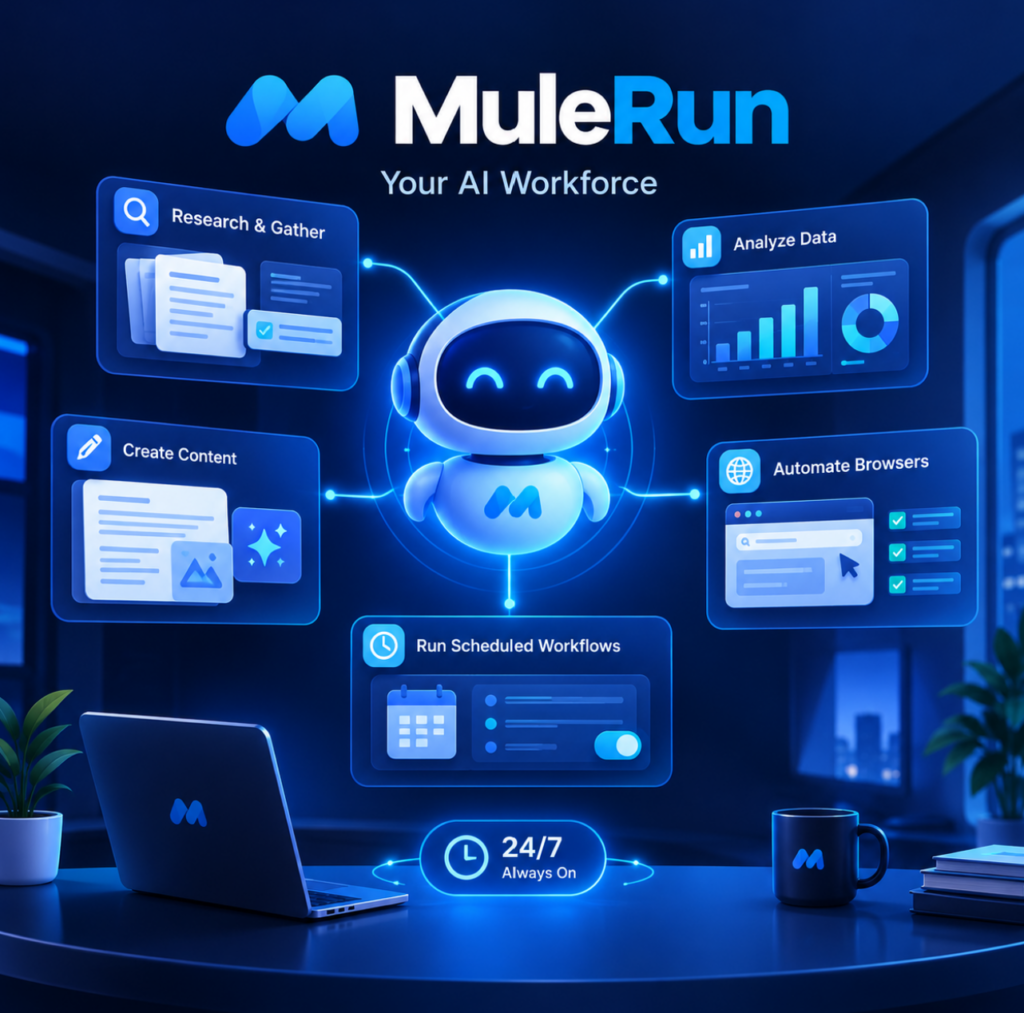
Repetitive tasks are a common part of professional and personal routines. Reading information, preparing drafts, organizing notes, checking updates, and collecting research can take considerable time when performed manually. Although these activities may appear simple, completing them repeatedly can interrupt more important work.
AI agents can help make these processes more manageable. By assigning suitable activities to an AI-powered system, users can reduce the amount of manual effort involved in routine digital tasks. This approach can be especially useful when several small responsibilities need attention throughout the day.
MuleRun focuses on AI-powered task assistance, allowing users to explore different ways of managing digital activities through intelligent agents. Depending on the task and available capabilities, an agent may assist with gathering information, preparing written material, organizing content, or supporting research activities.
For example, a professional preparing a presentation might need to collect information from multiple sources, arrange important points, and create an initial outline. An AI agent can assist with parts of this preparation process, leaving the user more time to review the material and improve the final presentation.
Similarly, a small business owner may need to prepare regular content ideas, organize project information, or review industry updates. AI assistance can make these activities easier to coordinate. Users should still check important details and make final decisions, particularly when accuracy, business commitments, or sensitive information are involved.
The main advantage of automating repetitive work is the opportunity to create more consistent routines. Rather than starting every task from the beginning, users can build processes that support their regular responsibilities.
Improve Research And Information Management With MuleRun AI Tools
Research is an important part of many professional activities. Students research topics for assignments, marketers study customer interests, business owners examine industry trends, and professionals collect information before making decisions. However, finding relevant information and turning it into something useful can require significant time and attention.
AI-powered agents can support different stages of this process. They may help users explore topics, collect relevant information, organize findings, and prepare summaries. These capabilities can make research workflows easier to manage, especially when a project involves several connected activities.
MuleRun provides an AI-agent-focused environment that can support research and other knowledge-based tasks. Users can explore ways to delegate suitable activities instead of manually managing every step. This can be useful when preparing reports, developing content plans, studying new subjects, or organizing project notes.
Consider a digital marketing professional planning a content campaign. The process may involve researching audience interests, identifying relevant topics, studying competitors, and preparing a content outline. An AI agent can assist with preliminary research and organization, helping the professional move through the planning stage more efficiently.
Information management is equally important. Research becomes more useful when findings are arranged clearly and can be reviewed later. AI assistance may help organize information into summaries, topic groups, or structured notes. Users can then evaluate the material and decide which points are relevant to their objectives.
It is important to remember that AI-generated research should not automatically be treated as verified information. Users should check facts, confirm important sources, and review any figures or claims before using them in professional documents. Combining AI assistance with human judgment creates a more reliable research process.
Create Better Written Content With MuleRun And AI Writing Assistance
Writing is an essential part of modern digital work. Businesses prepare emails, product descriptions, reports, social media posts, website content, and presentations. Students and professionals also write notes, summaries, proposals, and project documents. Managing all these writing responsibilities can become challenging when deadlines are close.
AI writing assistance can help users begin the writing process and organize their ideas. It may support brainstorming, outlining, drafting, rewriting, and summarizing. These activities can reduce the time spent preparing an initial version of a document.
MuleRun’s AI-agent approach can be explored for writing-related workflows and other content tasks. An AI agent may assist with preparing an outline, organizing key points, or developing a first draft, depending on the tools and task setup available. Users can then edit the content to match their intended audience, communication style, and requirements.
For example, a marketing team working on a new campaign may need several content formats. These could include website copy, email messages, social media captions, and short promotional descriptions. AI assistance can help generate initial ideas and organize the content into a structured plan.
However, effective writing requires more than producing words. A useful piece of content should communicate the correct message, provide relevant information, and reflect the brand’s identity. Human editing remains important for checking tone, originality, accuracy, and clarity.
Users should also avoid publishing AI-generated content without reviewing it. Adding personal insights, examples, and relevant details can make the final material more meaningful. When AI assistance and human creativity work together, content production can become more organized without losing its individual character.
Coordinate Multiple Work Activities With MuleRun And Automated Workflows
Many professional projects involve several connected activities rather than one isolated task. A marketing campaign, for example, may require research, planning, writing, review, and publication. A business report may involve collecting data, arranging information, preparing summaries, and checking the final document.
Managing each activity separately can create unnecessary complexity. People may need to switch between applications, remember pending responsibilities, and repeatedly transfer information from one stage to another. A structured workflow helps bring these activities together.
MuleRun’s AI-agent approach supports the idea of using intelligent assistance across different digital activities. Instead of treating every task as an unrelated activity, users can explore workflows in which agents help with multiple stages of a project. The exact process will depend on the available integrations, permissions, and task requirements.
For instance, a content planning workflow might begin with topic research. The next stage could involve creating an outline, preparing a draft, and organizing the material for review. A user can inspect the output at each stage and provide additional instructions where necessary.
This type of coordination can be useful for freelancers, agencies, small businesses, and larger teams. Freelancers often manage several clients and deadlines, while agencies handle multiple campaigns at the same time. Organized workflows can make it easier to track progress and reduce repeated manual effort.
Successful automation also requires clear instructions. Users should define the expected result, provide relevant context, and establish review points for important activities. Complex workflows should be divided into manageable steps so that mistakes can be identified before they affect the final output.
Support Business Growth With MuleRun And Smarter Task Management
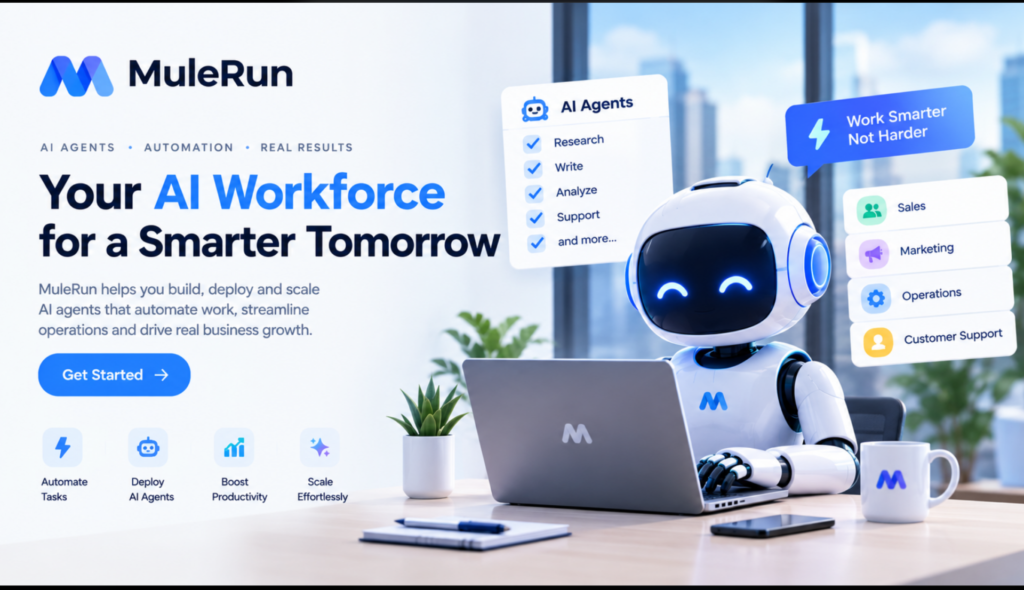
Growing businesses often face increasing workloads. As customer requirements, marketing activities, internal communication, and project responsibilities expand, teams need practical ways to manage their time. Hiring additional support may not always be possible for every task, making workflow improvement an important consideration.
AI agents can provide assistance with selected digital responsibilities. They may help teams prepare initial drafts, organize information, conduct preliminary research, and manage other repetitive activities. This can allow employees to focus more attention on customer relationships, strategic planning, product development, and decision-making.
MuleRun can be considered as part of a broader AI-powered productivity approach. Its focus on intelligent agents provides an opportunity to explore task delegation and automation for different types of digital work. Businesses can identify suitable processes and evaluate whether AI assistance improves their existing routines.
For example, an online business may need regular product research, content preparation, and internal documentation. An AI-supported workflow could assist with gathering information and preparing initial materials. Team members can then review the results before using them in customer-facing communication or business decisions.
Small businesses may also benefit from organizing routine activities more efficiently. Owners often manage administration, marketing, customer communication, and planning themselves. Automating selected digital tasks can help reduce the time spent on repetitive work.
Nevertheless, businesses should consider data privacy, access permissions, and quality control before introducing AI agents into important processes. Sensitive information should be handled carefully, and automated actions that affect customers, finances, or business operations should have suitable human oversight.
Build Consistent Productivity Habits With MuleRun And Continuous AI Improvement
Using AI automation effectively requires more than trying different tools. The most useful results often come from identifying regular tasks, choosing appropriate activities for automation, and reviewing performance over time. A thoughtful approach helps users build workflows that support their actual needs.
The first step is to identify activities that consume time without requiring complex human judgment. Examples may include organizing notes, preparing routine summaries, collecting initial research, or creating draft content. These tasks can be considered for AI assistance when the available tools are suitable.
The next step is to provide clear instructions. AI agents work more effectively when users explain the task, expected format, relevant context, and desired outcome. Clear instructions can reduce confusion and make the generated results easier to review.
MuleRun can be explored as part of this process by helping users work with AI agents for different digital activities. Users can begin with a simple task, examine the results, and gradually develop more structured workflows as they become comfortable with the platform.
Regular evaluation is also important. Users should review whether an automated process saves time, produces useful results, and fits naturally into their daily routine. If an agent repeatedly produces incomplete or unsuitable output, instructions and workflow steps may need adjustment.
AI technology continues to develop, creating new possibilities for digital productivity. However, the most effective approach combines automation with human creativity, judgment, and responsibility. People remain essential for setting priorities, understanding context, checking important information, and making decisions.
By building consistent habits around intelligent task assistance, individuals and businesses can create more organized working environments. MuleRun reflects the growing interest in AI agents as practical tools for managing everyday digital responsibilities and supporting more efficient workflows.