


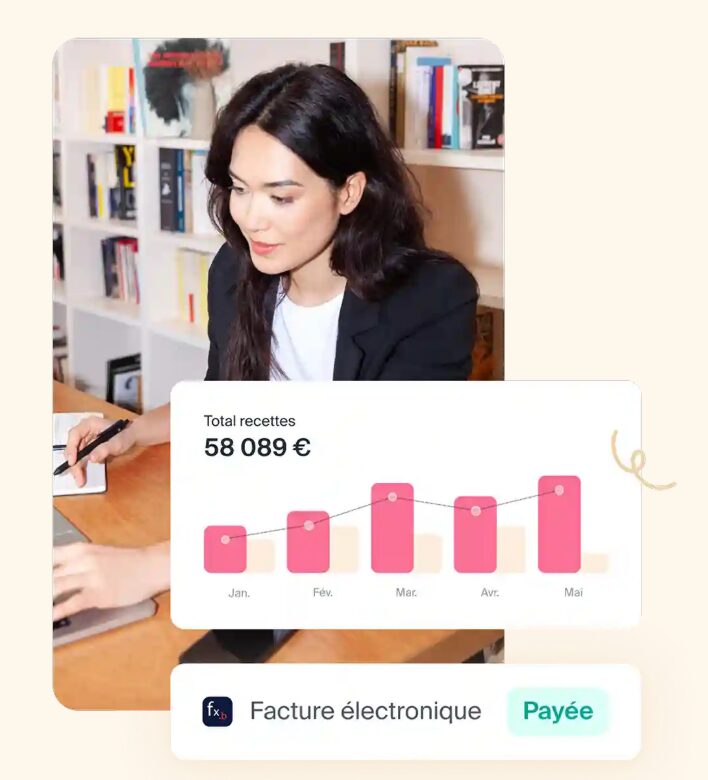
Why Freelancers Need Modern Accounting Software
Freelancing and independent business ownership continue to grow rapidly across the world. More professionals are choosing flexible careers and managing their own businesses online. However, handling finances, invoices, taxes, and bookkeeping manually can become difficult and time-consuming. Modern accounting software helps freelancers simplify these financial tasks while improving organization and productivity.
Freelancers often manage multiple responsibilities at the same time, including client communication, project management, payments, and business growth. Accounting software automates many financial processes, allowing independent professionals to focus more on their work and less on administrative tasks.
One of the biggest challenges for freelancers is managing invoices and payments. Smart accounting tools make it easier to create professional invoices, track payment status, and send reminders to clients automatically. This helps improve cash flow and reduces late payments.
Tax management is another important reason why freelancers use accounting software. Independent workers are usually responsible for tracking expenses, preparing tax documents, and managing financial reports themselves. Automated accounting tools reduce errors and simplify tax preparation.
Cloud-based accounting platforms also provide flexibility and convenience. Freelancers can access financial information from anywhere using computers, tablets, or smartphones. This mobility is especially important for remote workers and digital entrepreneurs.
As freelancing continues to expand globally, smart accounting software has become an essential tool for improving efficiency, financial organization, and long-term business management.
The Benefits of Smart Accounting Tools
Smart accounting software offers several advantages for freelancers and independent businesses. Automation is one of the biggest benefits. Tasks such as invoicing, expense tracking, bookkeeping, and financial reporting can now be completed automatically, saving significant time.
Automated invoicing systems allow users to create professional invoices quickly while reducing manual work. Some platforms also provide recurring billing features for clients who require regular services.
Expense management becomes much easier with digital accounting tools. Freelancers can categorize expenses, upload receipts, and monitor spending directly through mobile apps or cloud-based systems.
Real-time financial tracking is another major advantage. Users can monitor income, expenses, profits, and cash flow instantly, helping them make better financial decisions.
Tax preparation is often stressful for freelancers, but accounting software simplifies the process by organizing financial data automatically. Some tools even estimate taxes and generate reports needed for tax filing.
Bank integration improves efficiency even further. Many accounting platforms connect directly with bank accounts, automatically importing transactions and reducing manual data entry.
Security is another important benefit. Reliable accounting platforms use encrypted systems and secure cloud storage to protect sensitive financial information.
Smart accounting tools also support business growth by providing financial insights and performance reports. Freelancers can analyze trends, identify profitable projects, and improve budgeting strategies.
With automation, organization, and real-time financial management, modern accounting software has become an essential resource for freelancers and independent professionals.
Why Cloud-Based Accounting Is Growing
Cloud-based accounting software has become increasingly popular because it offers flexibility, accessibility, and convenience for modern businesses.
Traditional accounting systems often required desktop installations and manual backups. Cloud-based platforms eliminate these limitations by storing financial information securely online. Users can access their data anytime and from any device with an internet connection.
This flexibility is especially valuable for freelancers and remote workers who manage their businesses while traveling or working from different locations.
Automatic updates are another major advantage of cloud accounting software. Users always have access to the latest features, security improvements, and tax updates without needing manual installations.
Collaboration also becomes easier through cloud-based systems. Freelancers can share financial reports with accountants, business partners, or tax advisors instantly and securely.
Cloud platforms often integrate with other business tools such as payment gateways, invoicing systems, project management software, and banking applications. These integrations simplify workflow management and improve productivity.
Data security remains a top priority for cloud accounting providers. Advanced encryption, backup systems, and multi-factor authentication help protect sensitive business information.
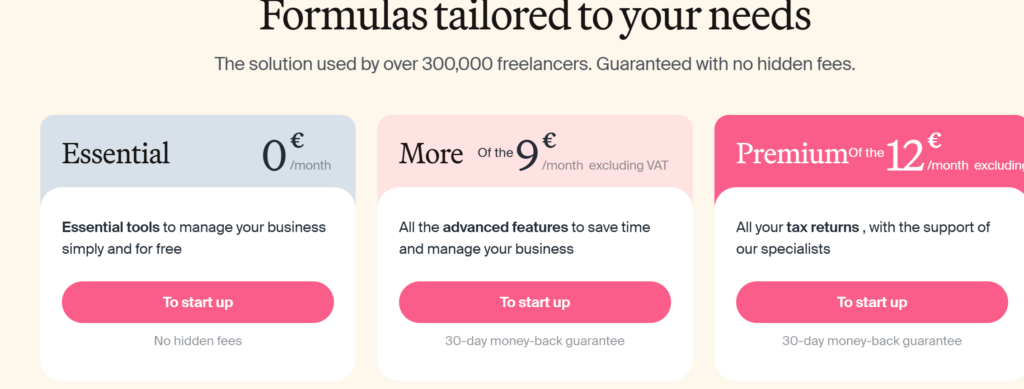
The subscription-based pricing model also makes cloud accounting more affordable for freelancers and small businesses compared to traditional software solutions.
As digital work environments continue to expand, cloud accounting platforms are becoming the preferred solution for modern financial management.
Current Trends in Accounting Software

The accounting software industry continues to evolve rapidly as technology transforms financial management for businesses and freelancers.
Artificial intelligence is becoming increasingly important in accounting platforms. AI-powered tools can automate expense categorization, generate financial insights, and detect unusual transactions more efficiently.
Automation remains one of the biggest industry trends. Businesses now expect software to handle repetitive tasks such as invoicing, payment reminders, expense tracking, and financial reporting automatically.
Mobile accounting is also growing rapidly. Freelancers want the ability to manage finances, send invoices, and monitor transactions directly from smartphones and tablets.
Integration with digital payment systems has become essential. Modern accounting platforms connect with online banking services, payment processors, and e-commerce tools to simplify financial operations.
Real-time reporting and analytics are increasingly popular because they help freelancers make faster and more informed business decisions.
User-friendly interfaces are another major trend. Accounting software companies now focus heavily on creating simple dashboards and intuitive designs suitable for non-accounting professionals.
Data security and privacy remain critical priorities within the industry. Platforms continue investing in stronger encryption, secure cloud storage, and advanced authentication systems.
Subscription-based pricing models are also becoming more common because they provide flexibility and affordability for freelancers and small businesses.
These trends demonstrate how accounting software continues to combine automation, accessibility, intelligence, and convenience for modern professionals.
How to Choose the Best Accounting Software
Choosing the right accounting software is essential for improving financial organization and business efficiency.
Ease of use should be one of the first factors to consider. Freelancers and independent professionals often prefer platforms with simple interfaces and easy navigation.
Automation features are also important. Reliable software should support invoicing, expense tracking, tax calculations, and financial reporting with minimal manual work.
Cloud accessibility is another key feature. The best accounting platforms allow users to access financial information securely from multiple devices.
Integration capabilities significantly improve productivity. Software that connects with banking systems, payment tools, and business applications creates smoother workflows.
Pricing should match business needs and budget. Subscription plans should offer flexibility while including essential accounting features.
Security is extremely important when handling financial data. Trusted accounting software providers use encryption and secure cloud storage to protect sensitive information.
Customer support quality also matters. Responsive support teams help users solve technical issues quickly and improve the overall experience.
Scalability is another important consideration. Freelancers may eventually expand into larger businesses, so software should support future growth and additional features.
Finally, customer reviews and platform reputation help evaluate reliability and overall satisfaction.
By selecting the right smart accounting software, freelancers and independent businesses can simplify financial management, improve productivity, and focus more effectively on business growth and success.