


Build Organized Daily Routines With MuleRun And Intelligent Task Management
Managing daily tasks effectively is an important part of personal and professional productivity. People handle multiple responsibilities throughout the day, including communication, research, content preparation, project planning, and administrative activities. When these tasks are not organized properly, it becomes difficult to maintain focus and complete important work on time. Modern artificial intelligence provides new opportunities to simplify these responsibilities and create more structured working routines.
AI-powered task management is becoming increasingly useful because it can assist with activities that traditionally require repeated manual effort. Intelligent agents can support information gathering, document preparation, research, and other digital responsibilities. This allows users to organize their workload and dedicate more attention to activities that require creativity and decision-making.
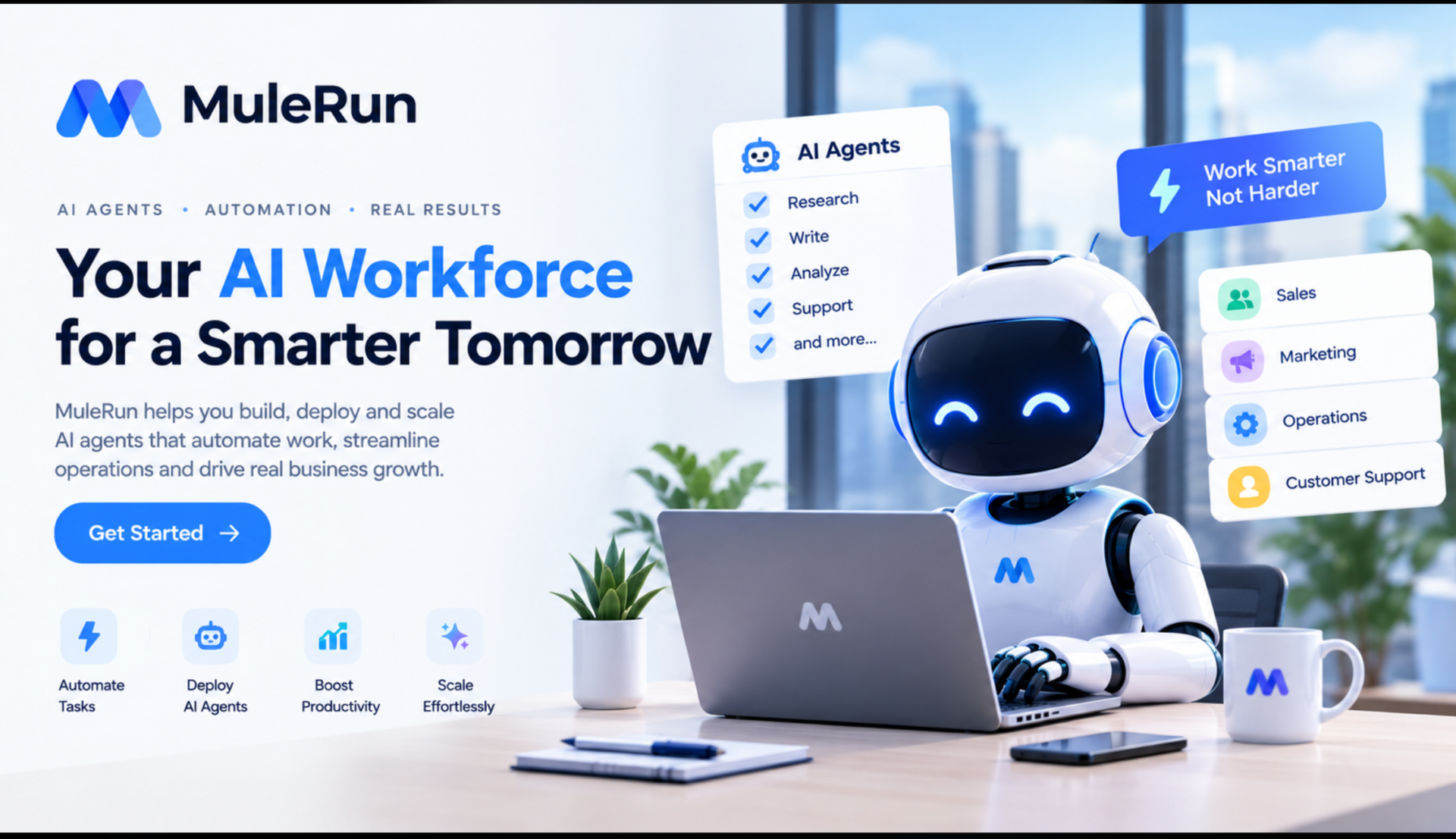
MuleRun represents this growing approach to digital productivity through its AI-agent-focused environment. It gives users an opportunity to explore intelligent assistance for different tasks and workflows. Instead of treating every responsibility as an isolated activity, users can consider ways to organize related tasks into more manageable processes.
For example, a professional may begin the day by reviewing project information, preparing emails, collecting research, and organizing upcoming responsibilities. AI assistance can support selected preparation activities, helping make the overall routine more manageable.
Students can also benefit from organized task management. Preparing assignments, researching subjects, creating study notes, and planning academic activities require consistency. Intelligent assistance can help with preliminary research and information organization while students remain responsible for understanding and reviewing their work.
A productive routine starts with identifying priorities. Users should separate urgent responsibilities from less important activities and determine which tasks can benefit from automation. This creates a practical foundation for using AI tools without making everyday workflows unnecessarily complicated.
Reduce Repetitive Work With MuleRun And Smart AI Task Automation
Repetitive work can consume a significant portion of the day. Activities such as organizing information, preparing routine documents, collecting updates, and creating initial drafts may not require extensive creative thinking, but they still demand time and attention. When these activities are repeated regularly, they can reduce the time available for more valuable responsibilities.
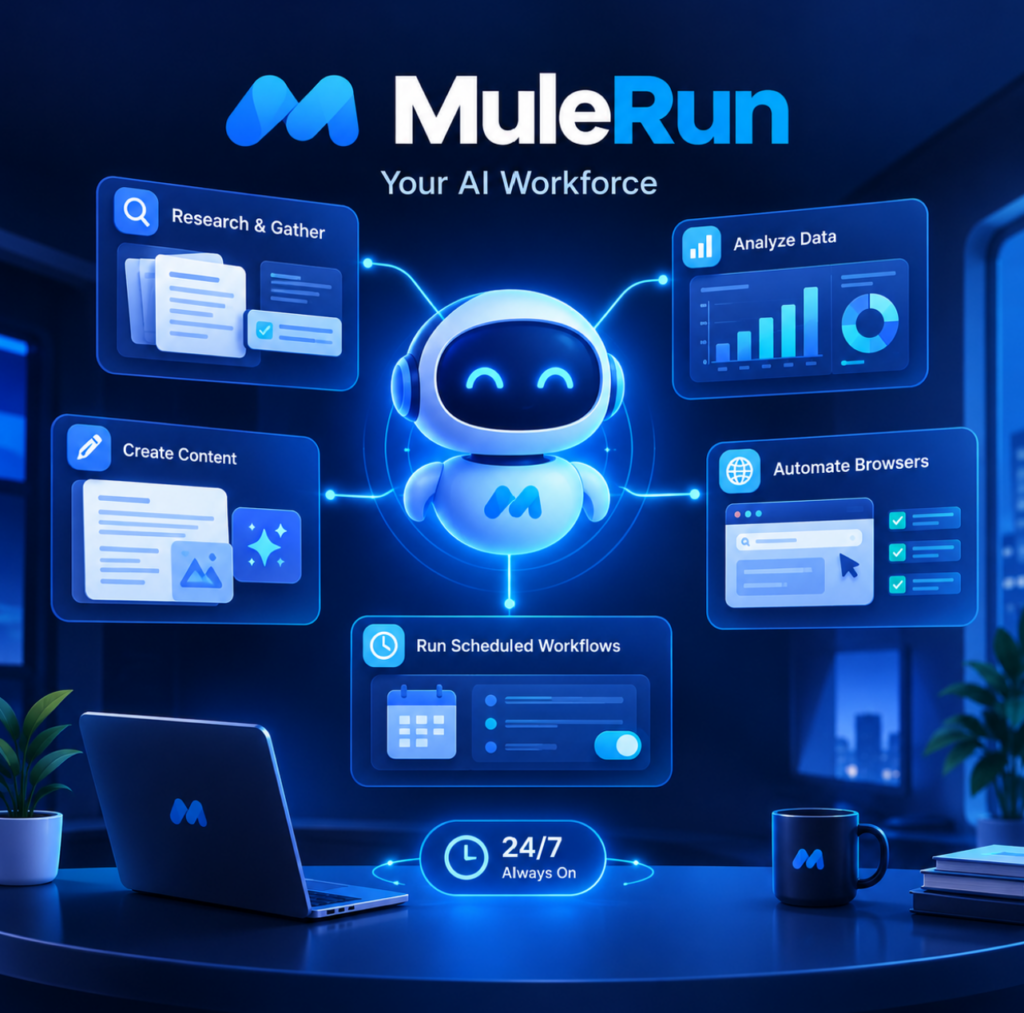
AI task automation offers a way to simplify suitable activities. Intelligent agents can assist with selected steps, helping users reduce manual effort and maintain more consistent processes. The exact level of assistance depends on the tools, instructions, and permissions available.
MuleRun focuses on AI agents that can support different digital activities. Users can explore opportunities to delegate appropriate tasks and develop workflows that fit their everyday requirements.
Consider a freelancer managing several client projects. The work may involve researching topics, preparing content outlines, organizing project notes, and creating regular updates. Completing every stage manually can make the schedule difficult to manage. AI assistance can help prepare initial materials and organize information, allowing the freelancer to focus on client requirements and final quality.
Small business owners may also have recurring responsibilities involving marketing, administration, and communication. An organized AI-supported process can assist with selected routine activities and make it easier to manage a busy schedule.
Another important benefit of automation is consistency. When tasks follow a clear process, users can reduce unnecessary repetition and make their work easier to review. However, automation should not be applied to every activity. Responsibilities involving sensitive information, financial decisions, or important customer interactions should receive appropriate human supervision.
The goal is to make everyday work more manageable, not to remove human involvement. By selecting suitable activities for automation, users can create a better balance between manual work and intelligent assistance.
Improve Research Productivity With MuleRun And Advanced Information Assistance
Research is an essential part of many professional and educational activities. Businesses examine market developments, marketers study customer interests, students explore academic subjects, and content creators collect information for new projects. These activities often involve searching multiple sources, comparing findings, and organizing information into a useful format.
Managing research manually can become challenging when several projects require attention. Users may spend considerable time collecting information and preparing summaries before they can begin their actual work. AI-powered research assistance can help simplify some of these preliminary activities.
MuleRun offers an AI-agent-focused approach that users can explore for research and information-related workflows. Depending on the available capabilities, intelligent agents may assist with gathering information, arranging findings, and preparing structured summaries.
For example, a digital marketing professional planning a campaign may need to research relevant keywords, understand audience interests, and identify content opportunities. An AI-supported workflow can help organize preliminary findings into categories, making the planning process easier to manage.
Similarly, a student preparing an assignment may need to understand a topic, collect supporting information, and organize study notes. AI assistance can provide a starting point for exploring information and arranging ideas. Students should still consult reliable educational sources and develop their own understanding.
Information organization is another important part of research. When findings are scattered across different documents, reviewing them becomes difficult. Structured notes, summaries, and categorized information can make it easier to identify useful details.
Users should always verify important research findings before relying on them. AI-generated information may contain inaccurate details, incomplete references, or outdated claims. Checking original sources and reviewing important facts helps maintain research quality.
Combining intelligent assistance with careful evaluation can create a more efficient research process. It reduces repetitive effort while allowing users to concentrate on interpreting information and making informed decisions.
Simplify Content Planning With MuleRun And AI-Powered Creative Support
Content planning requires organization, creativity, and a clear understanding of the intended audience. Businesses need regular website updates, blog articles, social media posts, email campaigns, and promotional material. Managing these requirements can become difficult when multiple platforms and deadlines are involved.
AI-powered creative assistance can help users organize the early stages of content production. It may support brainstorming, topic suggestions, outlining, drafting, and summarizing. These capabilities can make it easier to move from an initial idea to a structured content plan.
MuleRun’s AI-agent approach can be explored for content-related tasks and other digital workflows. Users may use suitable AI assistance to prepare initial ideas, organize writing requirements, and manage different stages of content development.
For example, a small business planning a monthly social media calendar may need ideas for educational posts, product updates, promotional messages, and customer engagement. An AI-supported process can help arrange these content categories and prepare initial captions.
Blog writers can also benefit from structured content planning. Before writing an article, they often need to research a subject, identify important topics, and prepare an outline. Intelligent assistance can help organize these steps, giving writers a clearer starting point.
However, effective content requires more than automated writing. Every piece should provide relevant information, communicate clearly, and match the intended brand voice. Human editing is necessary to improve the message, remove unnecessary repetition, and ensure that the final material is accurate.
Content creators should also review originality and copyright considerations before publishing. AI-generated drafts should be treated as starting material rather than automatically finished content.
By combining creative thinking with intelligent task assistance, users can develop more organized content routines. This approach can support regular publishing while leaving more time for editing, strategy, and audience engagement.
Coordinate Multiple Projects With MuleRun And Connected AI Workflows
Managing several projects at the same time requires effective coordination. Professionals often need to handle research, communication, document preparation, planning, and progress reviews across different assignments. Without a clear structure, important information can become scattered and deadlines may be harder to manage.
AI-supported workflows can help organize connected activities into manageable stages. Rather than handling every responsibility separately, users can explore ways to coordinate related tasks through intelligent assistance.
MuleRun provides an AI-agent-oriented environment that can support different digital responsibilities. Users can investigate suitable workflows for research, writing, information management, and other project-related activities, depending on available features and integrations.
For instance, a marketing project may begin with audience research and campaign planning. The next stages could involve preparing content ideas, developing draft materials, and organizing information for review. AI agents can assist with selected preparation activities while the marketing professional checks the results and manages the overall strategy.
Freelancers may find this approach useful when working with multiple clients. Each project can involve different requirements, communication schedules, and delivery dates. Organizing activities into clear stages helps maintain visibility and reduces the possibility of overlooking important responsibilities.
Teams can also benefit from structured information management. Project summaries, organized notes, and prepared updates can make it easier for members to understand ongoing activities. AI assistance may support these processes by helping arrange information into clear formats.
Successful project coordination still requires proper planning. Users should establish priorities, define expected outcomes, and review important results at suitable stages. Complex tasks should be divided into smaller activities so that problems can be identified early.
An organized workflow creates a more predictable working environment. It helps individuals and teams manage responsibilities while maintaining control over project quality and deadlines.
Support Business Productivity With MuleRun And Intelligent Digital Solutions
Business productivity depends on the ability to manage resources, responsibilities, and time effectively. Small companies, agencies, online stores, and larger organizations all handle regular digital activities that require attention. As workloads increase, businesses need practical ways to improve efficiency without compromising quality.
AI agents can support selected business processes by assisting with routine digital work. Activities such as preparing initial reports, organizing information, researching topics, and creating draft communication may become easier to manage through intelligent assistance.
MuleRun can be explored as part of a broader business automation strategy. Its focus on AI agents provides an opportunity to investigate how intelligent assistance can fit into different business workflows.
An e-commerce company, for example, may regularly prepare product descriptions, research market trends, organize promotional ideas, and review website content. AI assistance can support the preparation of initial materials, while employees remain responsible for checking accuracy and ensuring that the information matches the company’s requirements.
Digital marketing agencies may also use structured AI-supported workflows for campaign preparation. Research, content planning, and draft development are activities that can benefit from organized processes. Marketing professionals can then concentrate on audience understanding, campaign strategy, and creative decisions.
For small businesses, better task management can be particularly valuable. Owners often handle several responsibilities without a large team. Intelligent assistance may help reduce the time spent on selected routine activities and provide more opportunities to focus on customers and business development.
Responsible implementation is essential. Organizations should consider data privacy, access permissions, and information security before introducing AI agents into important processes. Confidential information should be handled carefully, and decisions affecting customers or business operations should receive human review.
When introduced thoughtfully, AI-powered productivity tools can support better organization and help businesses manage growing workloads more effectively.
Develop Sustainable Work Habits With MuleRun And Continuous AI Productivity
Long-term productivity requires consistent habits and regular improvements. Using intelligent tools occasionally may provide convenience, but developing structured workflows can create more meaningful benefits over time. Users need to understand their responsibilities and identify where AI assistance can provide practical value.
The first step is to review everyday activities. Some responsibilities require personal judgment, creativity, and direct communication. Others involve repeated information processing, document preparation, and routine organization. These repetitive activities may offer suitable opportunities for automation.
MuleRun can be explored as part of this process through its AI-agent-focused approach to digital task management. Users can begin with simple activities, understand the available capabilities, and gradually explore more structured workflows.
Clear instructions play an important role in successful task management. Users should explain the objective, provide relevant background information, and specify the expected output. Well-defined instructions can help AI agents produce results that are easier to review and use.
Regular evaluation is equally important. Users should examine whether an automated workflow saves time, produces useful results, and fits naturally into their daily schedule. If the output does not meet expectations, the instructions or task structure may need improvement.
It is also important to maintain realistic expectations. AI agents can assist with many digital activities, but they may not always understand complex requirements or produce completely accurate results. Human supervision remains necessary for important tasks.
A sustainable productivity strategy combines automation with personal responsibility. People should continue setting priorities, checking information, making decisions, and developing creative ideas. AI assistance can support these activities by reducing selected repetitive responsibilities.
As artificial intelligence continues to evolve, intelligent agents are becoming an increasingly relevant part of modern digital work. Exploring platforms such as MuleRun can help users understand new approaches to task organization, workflow management, and everyday productivity. With clear processes and thoughtful supervision, individuals and businesses can build more efficient digital routines that support their long-term goals.