


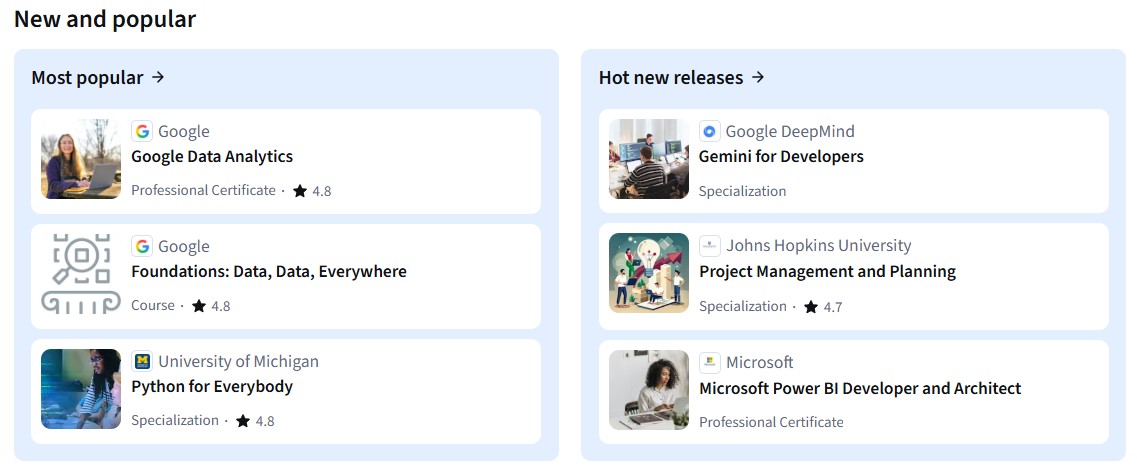
Unlocking Modern Career Growth Through Online Learning
The world of work has changed dramatically over the last decade. Traditional career paths are no longer the only route to success, and people from every background are now searching for flexible ways to improve their skills and build better futures. Online education has become one of the strongest tools for professional growth, allowing students, working professionals, entrepreneurs, and career changers to gain valuable knowledge without putting their lives on hold. Among the many platforms available today, Coursera has become a leading destination for learners who want industry-recognized certifications and university-backed programs.
The growing demand for digital skills, business knowledge, technology expertise, and professional communication has pushed millions of people toward online learning. Companies across the world are now focusing more on practical abilities and less on traditional educational limitations. This shift has created incredible opportunities for individuals who are willing to learn continuously and adapt to changing industries. Online certifications and professional programs have become a bridge between ambition and achievement.
One of the most important reasons learners choose online education is flexibility. Many people cannot attend full-time universities because of financial responsibilities, work commitments, or family obligations. Online platforms remove many of these barriers by allowing learners to study from anywhere and at their own pace. This convenience has transformed education into something more accessible and inclusive than ever before.
Professional certificates have become especially valuable in fields like data science, business management, marketing, artificial intelligence, project management, cybersecurity, and software development. Employers are actively searching for candidates who understand modern tools and technologies. People who continuously upgrade their knowledge often stand out during hiring processes because they demonstrate dedication, curiosity, and adaptability.
University programs available online have also changed public perception about remote learning. Prestigious institutions now offer programs designed specifically for digital learners. These programs combine academic quality with practical learning experiences, giving students access to world-class education from their homes. As technology continues to evolve, online education is expected to become even more influential in shaping global careers.
For many learners, the journey begins with a simple goal: improving their future. Some want better salaries, while others hope to switch industries or gain confidence in their abilities. Whatever the motivation may be, the right learning platform can provide the structure, resources, and support needed to move forward. Online learning is no longer considered an alternative option. It has become a respected and powerful path toward career success.
Building Real World Skills Through Professional Certificates
Professional certificates have become one of the most effective ways to prepare for competitive industries. Unlike traditional education that may focus heavily on theory, certificate programs are often designed around practical applications and job-ready skills. Learners can gain experience with real tools, projects, and case studies that reflect actual workplace environments.
Modern industries evolve rapidly, especially technology-driven sectors. Employers now value professionals who can adapt quickly and solve real problems. Professional certificate programs are designed with these expectations in mind. They teach relevant skills that align with current market demands, making learners more attractive to employers looking for capable candidates.
One of the strongest advantages of online professional certificates is accessibility. A learner living in a small town can access the same educational material as someone studying in a major global city. This equal access to quality education helps reduce barriers and opens opportunities for people who may not have had access to prestigious institutions before.
Courses related to digital marketing teach learners how businesses grow through social media, advertising, analytics, and content strategies. Technology-focused programs introduce coding, cloud computing, cybersecurity, and artificial intelligence concepts that are increasingly important in modern workplaces. Business certificates help learners improve leadership, communication, management, and strategic thinking abilities. These skills are valuable across nearly every industry.
Hands-on projects are another major benefit of professional certifications. Many programs require learners to complete assignments that simulate workplace challenges. Instead of only memorizing information, students actively practice solving problems. This project-based learning approach helps build confidence and creates a portfolio that can be shared with potential employers.
Another important factor is affordability. Traditional university degrees can be expensive and time-consuming, while online certificate programs are often more budget-friendly. Learners can explore new career paths without making a massive financial commitment. This makes professional growth more realistic for people at different stages of life.
Online certificates also support continuous learning. Professionals who already have jobs can upgrade their expertise without leaving their positions. A marketing executive can learn data analytics, a teacher can explore digital tools, or a business owner can study financial management. This flexibility encourages lifelong education, which has become essential in today’s rapidly changing economy.
Many hiring managers now recognize the importance of online credentials. When candidates demonstrate initiative by completing respected certification programs, employers often view them as motivated and self-disciplined individuals. These qualities can be just as important as technical knowledge in many workplaces.
The value of professional certificates goes beyond employment opportunities. Learning new skills can increase confidence, improve communication abilities, and inspire creativity. People who invest in education often discover strengths they never realized they had. This personal transformation can lead to greater motivation and long-term career satisfaction.
As industries continue evolving, skill development will remain one of the most important factors for professional success. Online certificates provide a practical and flexible way for learners to stay competitive while preparing for future opportunities.
Exploring University Programs For Long Term Success
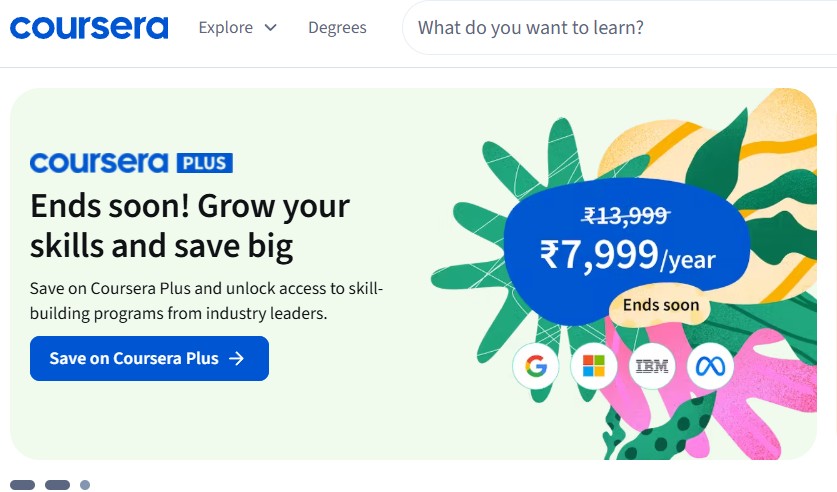
Online university programs have created a new era of higher education. Students no longer need to relocate or pause their careers to gain advanced academic knowledge. Digital learning environments now offer opportunities to study with respected universities while maintaining personal and professional responsibilities.
Many online university programs are designed with flexibility in mind. Learners can often choose schedules that fit around their daily lives. This structure is especially valuable for working professionals, parents, and individuals balancing multiple commitments. Education becomes something that adapts to the learner rather than forcing the learner to adapt entirely to the institution.
One of the biggest strengths of university-backed online programs is academic credibility. Courses are often developed by experienced professors and industry experts who understand both theoretical foundations and practical applications. Students receive structured learning experiences that combine research, discussion, assignments, and assessments in meaningful ways.
Business administration programs continue to attract learners who want leadership and management skills. These programs often cover marketing, finance, operations, communication, and strategic planning. Students learn how organizations function and how effective leaders make decisions in competitive environments.
Technology-related university programs are also growing rapidly. Computer science, data analytics, artificial intelligence, and information technology have become highly sought-after fields. Learners who develop technical expertise can access opportunities across healthcare, finance, education, entertainment, and many other industries.
Healthcare and public health programs have gained significant popularity as well. These programs prepare learners to understand healthcare systems, patient care strategies, and community health initiatives. As global healthcare challenges continue evolving, skilled professionals in this area remain in strong demand.
Online university programs also encourage independent thinking and discipline. Students must manage their schedules, complete assignments, and stay motivated without traditional classroom environments. These experiences build valuable life skills such as time management, self-motivation, and personal accountability.
Collaboration remains an important part of online education. Many programs include group projects, discussion forums, and peer interactions that help learners exchange ideas with people from different backgrounds and cultures. This global learning environment broadens perspectives and improves communication abilities.
Another advantage of online university learning is the opportunity to study from internationally recognized institutions. Learners can access courses and programs from universities that may have once seemed unreachable due to geography or cost. This global accessibility has transformed education into a more inclusive experience.
Career advancement is often a major goal for university program participants. Many professionals pursue advanced education to qualify for leadership positions, salary growth, or specialized roles within their industries. Employers frequently appreciate candidates who demonstrate commitment to professional development and continuous improvement.
The digital learning experience has also improved significantly over the years. Interactive videos, virtual labs, live sessions, and personalized feedback have made online education more engaging and effective. Technology continues to enhance how students learn and connect with instructors.
University programs are not only about gaining credentials. They are also about developing critical thinking, problem-solving abilities, and intellectual confidence. These qualities can influence every aspect of professional and personal life, helping learners navigate challenges with greater clarity and resilience.
As the future of work continues changing, university education delivered online will remain a powerful option for learners seeking meaningful and long-term career growth.
Transforming Career Paths With Flexible Learning Opportunities
Flexibility has become one of the most valuable features in modern education. People today often manage busy schedules filled with work responsibilities, family commitments, and personal goals. Traditional learning environments may not always fit into these complex lifestyles. Online education provides a solution by allowing learners to study according to their own pace and availability.
Flexible learning empowers individuals who may have previously felt excluded from educational opportunities. A full-time employee can complete lessons after work hours. A parent can study while managing household responsibilities. Someone living in a remote location can access world-class learning resources without relocating. This accessibility has changed countless lives around the world.
The ability to learn anytime and anywhere creates a more comfortable and personalized educational experience. Some learners prefer studying early in the morning, while others focus better at night. Online platforms allow students to choose learning schedules that suit their productivity and lifestyle preferences.
Career changers benefit enormously from flexible education models. Many people reach points in life where they want to explore new industries or discover different professional passions. Online learning allows them to gain new knowledge without immediately leaving their existing jobs. This reduces financial risk while creating opportunities for gradual career transitions.
The technology industry is one area where flexible learning has created major success stories. Many professionals have transitioned into software development, cybersecurity, data analysis, and cloud computing roles through online programs. By learning step by step and applying their skills through projects, they build confidence and practical expertise over time.
Entrepreneurs also use online learning to strengthen their businesses. Courses in marketing, finance, branding, leadership, and communication help business owners improve operations and reach larger audiences. Education becomes an investment that supports long-term business growth and innovation.
The flexibility of online learning also supports global collaboration. Students from different countries and professional backgrounds often interact through discussion forums and virtual classrooms. These interactions expose learners to diverse perspectives and experiences that can enrich their understanding of industries and cultures.
Self-paced education encourages learners to take ownership of their progress. Instead of feeling pressured by rigid classroom timelines, students can spend extra time on challenging topics and move quickly through familiar material. This personalized approach often improves understanding and retention.
Motivation plays an important role in successful online learning. Learners who set clear goals and maintain consistent study habits often achieve remarkable results. Small daily efforts can lead to major professional transformations over time. Completing a course or certificate program often creates a strong sense of achievement and renewed confidence.
Employers increasingly value adaptability and independent learning abilities. Candidates who complete online programs demonstrate that they can manage responsibilities, stay disciplined, and pursue self-improvement proactively. These qualities are highly respected in modern workplaces.
Flexible learning is also helping industries respond to changing demands more quickly. New technologies and trends emerge constantly, and educational platforms can update programs faster than many traditional systems. This ensures learners gain relevant and up-to-date knowledge that aligns with current industry needs.
The future of education will likely continue focusing on flexibility, accessibility, and skill development. As more people recognize the value of online learning, digital education will remain a central part of professional growth and career advancement around the world.
Creating A Strong Future With Continuous Professional Development
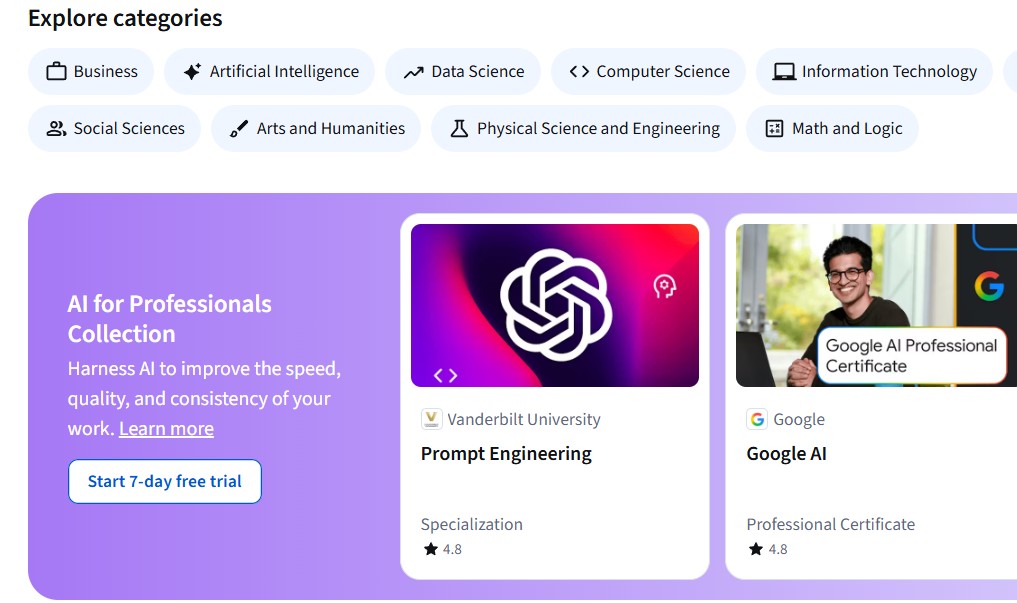
Continuous learning has become essential in today’s competitive world. Industries evolve quickly, technologies change rapidly, and employers constantly seek professionals who can adapt to new challenges. People who continue developing their knowledge and skills often position themselves for stronger career growth and greater long-term stability.
Professional development is no longer limited to formal education completed during early adulthood. Modern careers often require ongoing learning throughout life. Online courses, certifications, workshops, and university programs help individuals remain competitive while preparing for future opportunities.
One of the biggest benefits of continuous learning is confidence. As people gain new skills and improve their understanding of industry trends, they often feel more prepared to handle workplace responsibilities. This confidence can improve communication, leadership abilities, and overall performance.
Technology has transformed nearly every industry, making digital skills increasingly valuable. Even professionals outside the technology sector benefit from understanding online tools, data analysis, and digital communication platforms. Continuous learning helps individuals stay relevant in changing work environments.
Leadership development is another important aspect of professional growth. Strong leaders are needed in businesses, healthcare organizations, educational institutions, and creative industries. Courses focused on management, teamwork, emotional intelligence, and strategic thinking can help professionals become more effective leaders.
Networking opportunities often emerge through online learning communities. Students interact with peers, instructors, and professionals from around the world. These connections can lead to collaborations, mentorship opportunities, and career advancement possibilities. Building a strong professional network can be just as valuable as gaining technical expertise.
Adaptability has become one of the most important professional qualities. Companies value employees who are willing to learn new systems, solve unfamiliar problems, and embrace innovation. Continuous education encourages this mindset by helping learners become more comfortable with change.
Personal satisfaction is another meaningful outcome of ongoing education. Learning new subjects can inspire creativity, curiosity, and personal growth. Many people discover passions and talents they never expected while exploring different courses and programs. This sense of progress often contributes to greater motivation and optimism.
Professional certifications and university programs also help individuals demonstrate credibility. Employers often appreciate candidates who actively invest in their education because it reflects ambition and commitment. Updated knowledge and recognized credentials can improve opportunities for promotions, salary increases, and specialized roles.
The future workforce will likely place even greater emphasis on learning agility. Artificial intelligence, automation, and digital transformation are reshaping industries at a rapid pace. People who continue learning will be better prepared to navigate these changes successfully.
Online education platforms have made professional development more accessible than ever before. Learners can choose programs based on their interests, career goals, and schedules. This flexibility allows education to become a permanent and practical part of everyday life rather than a temporary stage.
Success in modern careers often depends on the willingness to grow continuously. Skills that are valuable today may evolve tomorrow, making adaptability and curiosity essential qualities for long-term achievement. Individuals who embrace lifelong learning position themselves to take advantage of new opportunities while remaining resilient during periods of change.
The journey toward career success is different for every person, but education remains a powerful foundation. Through professional certificates, university programs, and continuous skill development, learners can create stronger futures filled with opportunity, confidence, and professional fulfillment.