


Discovering The New Age Of Digital Education
The world of education has changed dramatically over the last decade. Traditional classrooms are no longer the only path for gaining knowledge, building skills, or preparing for successful careers. Online learning has become one of the most powerful tools for personal and professional growth, allowing people from every background to access world-class education without geographical limits. Among the many online learning platforms available today, Coursera has become one of the most trusted names for beginners who want to start learning new skills in a flexible and affordable way.
For many people, beginning an online learning journey can feel confusing at first. There are thousands of courses, certifications, and learning programs available. Some learners worry about whether online education is respected by employers, while others wonder if they can stay motivated without a physical classroom environment. The truth is that online learning success depends less on where you study and more on how you approach the learning process.
Coursera has helped millions of students, professionals, entrepreneurs, and job seekers improve their careers through partnerships with leading universities and companies around the world. Learners can study subjects ranging from business and marketing to computer science, psychology, health, graphic design, artificial intelligence, and communication skills. This variety makes the platform especially attractive for beginners who may still be exploring their interests.
One of the biggest advantages of online learning is flexibility. Traditional education often requires students to follow fixed schedules, travel long distances, and pay expensive tuition fees. Online learning removes many of these barriers. A student can learn early in the morning, during lunch breaks, late at night, or on weekends. This flexibility is valuable for working professionals, parents, and students who want to improve their skills without interrupting their current responsibilities.
Another reason online learning has become so popular is accessibility. In the past, gaining access to high-quality education from top universities required relocation, large financial investments, or competitive admission processes. Today, learners can access courses from globally recognized institutions directly from their homes. This has created opportunities for people who may not have had access to traditional higher education systems.
Beginners often underestimate how much confidence they can gain from completing an online course. The first completed course can become a major motivational milestone. It shows learners that they are capable of setting goals, staying committed, and learning independently. Over time, this confidence grows and encourages learners to explore more advanced certifications and professional specializations.
Online education also supports career transitions. Many people are changing careers more frequently than ever before. Technology evolves quickly, industries transform, and new job roles appear regularly. Because of this, continuous learning has become necessary rather than optional. Coursera allows learners to update their knowledge and stay competitive in a changing job market.
A major benefit for beginners is the self-paced learning environment. Everyone learns differently. Some learners prefer watching videos repeatedly, while others enjoy reading notes carefully before attempting assignments. Online learning gives students control over their learning speed. This personalized approach can reduce stress and improve understanding.
Success in online learning does not require extraordinary intelligence. Instead, it requires discipline, curiosity, consistency, and a willingness to improve step by step. Beginners who start with realistic goals often perform better than those who try to learn everything at once. The journey becomes easier when learners focus on steady progress instead of perfection.
As more employers recognize online certifications and digital skills, the value of online learning continues to rise. Many companies now prioritize practical skills over traditional qualifications alone. Certifications can help demonstrate commitment, knowledge, and initiative, especially for beginners entering competitive industries.
The future of education is becoming increasingly digital, flexible, and skill-focused. Learners who embrace this shift today are preparing themselves for better opportunities tomorrow. Starting with a simple course can eventually lead to advanced expertise, career growth, financial improvement, and greater personal satisfaction. The key is beginning with the right mindset and remaining committed throughout the learning journey.
Building Strong Learning Habits For Long Term Growth
One of the most important parts of online learning success is developing effective learning habits. Many beginners focus only on choosing courses, but long-term success depends more on consistency than course selection. Creating strong study habits helps learners stay organized, motivated, and productive throughout their educational journey.
A successful online learner treats education as an important commitment rather than a temporary hobby. While flexibility is one of the advantages of online education, too much flexibility can sometimes lead to procrastination. Without a structured classroom schedule, learners must create their own routines and learning systems.
Setting a dedicated study schedule is one of the best ways to improve consistency. Even studying for a short period every day can produce better results than studying for many hours once a week. Daily learning keeps information fresh and helps learners maintain momentum. Over time, studying becomes part of a normal routine instead of feeling like a difficult task.
Creating a distraction-free learning environment is equally important. Modern life is full of interruptions from smartphones, social media, television, and unnecessary notifications. Concentration plays a major role in understanding new concepts. A calm and organized study space allows learners to focus better and absorb information more effectively.
Goal setting is another powerful strategy for online learning success. Beginners often feel overwhelmed because they focus too much on distant outcomes. Instead of worrying about completing an entire certification program immediately, learners should focus on smaller milestones. Finishing one lesson, completing one assignment, or studying for one hour can create a sense of achievement and motivation.
Time management skills are especially valuable for online learners. Many students balance work, family responsibilities, and education at the same time. Planning study sessions in advance helps reduce stress and prevents last-minute pressure. Successful learners understand that consistency matters more than intensity.
Taking notes while studying can improve understanding and memory retention. Writing important concepts in your own words forces the brain to process information actively. Some learners prefer digital notes, while others prefer handwritten notebooks. The method is less important than the habit itself.
Beginners should also avoid comparing their progress with others. Every learner has a different background, learning speed, and level of experience. Some students may complete courses quickly because they already have prior knowledge, while others may require more time to fully understand the material. Progress should be measured personally rather than competitively.
One challenge many online learners face is maintaining motivation over long periods. Initial excitement often fades after a few weeks. This is completely normal. Successful learners continue studying even when motivation decreases because they rely on discipline and routine rather than temporary excitement.
Online learning also becomes more effective when students apply their knowledge practically. Reading theories alone is not enough. Learners should practice skills through projects, exercises, discussions, or real-world applications. Practical experience strengthens understanding and builds confidence.
Rest and balance are important parts of the learning process as well. Studying continuously without breaks can lead to mental exhaustion. Healthy sleep, exercise, hydration, and relaxation improve concentration and overall performance. Learning is not only about hard work but also about maintaining mental and physical well-being.
Many beginners fear making mistakes during the learning process. However, mistakes are essential for growth. Assignments, quizzes, and challenges help identify weaknesses and areas that need improvement. Instead of feeling discouraged, learners should treat mistakes as opportunities to become stronger.
Positive thinking also plays a major role in educational success. Self-doubt can limit progress even when learners have the ability to succeed. Believing in personal growth encourages persistence during difficult moments. Confidence develops gradually through consistent effort and completed achievements.
As learners continue improving their habits, they often notice positive changes beyond education. Better discipline, improved focus, stronger communication skills, and increased self-confidence can influence many areas of life. Online learning is not only about gaining certificates but also about becoming a more capable and knowledgeable person.
Choosing The Right Courses And Certifications For Your Goals
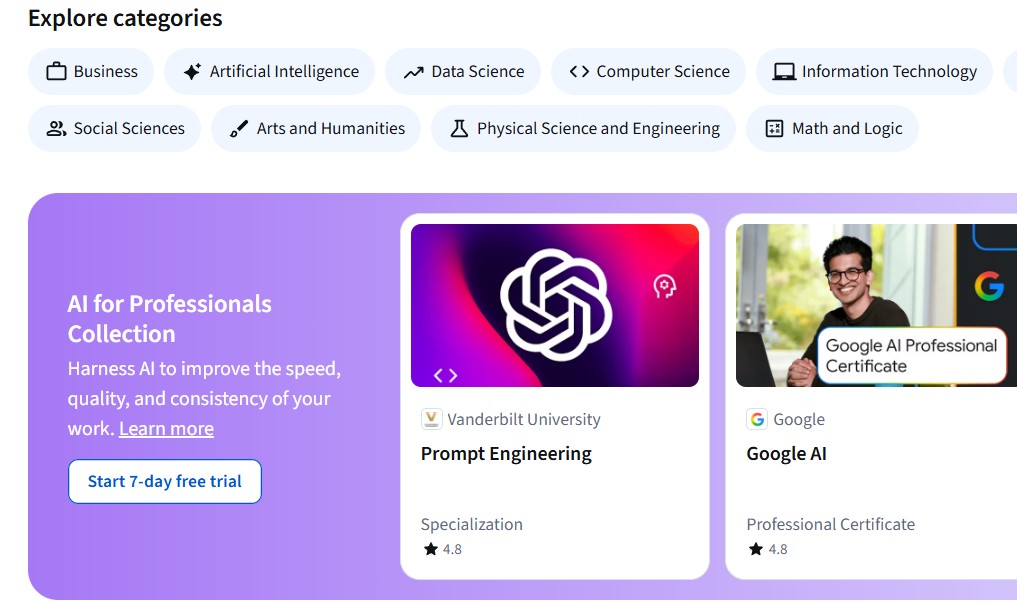
Selecting the right course is one of the most important decisions for beginners entering the world of online learning. With thousands of available options on Coursera, learners can sometimes feel confused about where to begin. The best approach is to focus on personal goals, interests, and long-term career plans rather than simply choosing popular courses.
The first step in choosing the right course is understanding your purpose for learning. Some people want to improve professional skills, while others want to change careers completely. Some learners study for personal development, while others aim to gain certifications that strengthen their resumes. Defining your purpose creates clarity and direction.
Beginners should avoid selecting courses only because they appear trendy or difficult. Many people mistakenly believe that complicated subjects automatically provide better career opportunities. In reality, success often comes from mastering skills that genuinely match personal interests and strengths.
Coursera offers courses in many categories including business, technology, marketing, finance, health, communication, leadership, data science, language learning, and creative arts. This diversity allows learners to explore different industries before making long-term decisions. Beginners who are uncertain about career paths can start with introductory courses to discover their interests gradually.
Reading course descriptions carefully is very important. A good course description explains learning objectives, skill requirements, estimated study time, and expected outcomes. Beginners should select courses that match their current skill level rather than jumping directly into advanced programs.
Course reviews and ratings can also help learners make informed decisions. Feedback from previous students provides valuable insights into course quality, teaching style, and difficulty level. Positive reviews often indicate engaging content and effective instruction.
Professional certifications have become increasingly valuable in today’s competitive job market. Many employers appreciate certifications because they demonstrate practical skills and dedication to learning. Certifications from trusted platforms like Coursera can strengthen resumes and improve professional credibility.
However, certifications alone do not guarantee career success. Employers also value practical experience, communication abilities, and problem-solving skills. Learners should focus on understanding concepts deeply instead of rushing to collect certificates without real knowledge.
One effective strategy for beginners is choosing skill-based learning paths. For example, someone interested in digital marketing can study content marketing, social media strategy, search engine optimization, and analytics together. This creates a more complete skill set and improves employability.
Technology-related courses remain especially popular because digital skills are increasingly important across industries. Fields such as artificial intelligence, programming, cloud computing, cybersecurity, and data analysis continue to grow rapidly. Even non-technical professionals benefit from understanding digital tools and technologies.
Business and leadership courses are also valuable for beginners who want to improve workplace performance or prepare for management roles. Communication skills, negotiation, project management, and leadership training can support career advancement in almost every industry.
Beginners should also consider the time commitment required for each course. Some certifications may take several months to complete, while shorter courses can be finished in a few weeks. Selecting realistic study goals helps maintain consistency and reduces the risk of burnout.
Financial planning is another important consideration. Although many online courses are affordable compared to traditional education, learners should still choose programs carefully to maximize value. Some courses can be audited for free, allowing students to access educational content before deciding whether to purchase certificates.
Networking opportunities can also emerge through online learning platforms. Discussion forums, peer-reviewed assignments, and collaborative projects allow students to interact with learners from different countries and professional backgrounds. These interactions can create valuable professional connections and broaden perspectives.
Career-focused learners should regularly update their skills to remain competitive in evolving industries. Continuous learning has become essential in a rapidly changing global economy. The most successful professionals are often those who remain curious and adaptable throughout their careers.
Choosing the right course is not about finding the perfect option immediately. Learning paths can evolve over time as interests and goals change. What matters most is taking the first step and remaining committed to personal growth and continuous improvement.
Overcoming Common Challenges In Online Learning
Although online learning offers many advantages, beginners often face several challenges during their educational journey. Understanding these difficulties in advance can help learners prepare better and remain motivated when obstacles appear. Every successful learner experiences challenges at some point, but persistence and adaptability make long-term success possible.
One of the most common challenges is procrastination. Because online courses offer flexibility, learners sometimes delay lessons and assignments repeatedly. Without strict deadlines or classroom supervision, it becomes easy to postpone studying. Overcoming procrastination requires self-discipline and effective time management strategies.
Creating a study routine can reduce procrastination significantly. Setting specific study hours each day trains the mind to treat learning as a regular responsibility. Small daily efforts often produce better long-term results than irregular intensive study sessions.
Another challenge is losing motivation over time. Many beginners feel highly excited when starting a new course but gradually lose enthusiasm after encountering difficult topics or busy schedules. Motivation naturally changes, which is why discipline is more important than temporary inspiration.
Setting achievable goals helps maintain momentum during difficult periods. Celebrating small accomplishments such as completing lessons or passing quizzes creates positive reinforcement and encourages continued progress. Success builds confidence step by step.
Technical difficulties can also frustrate online learners. Slow internet connections, unfamiliar software, or device problems may interrupt the learning process. Beginners should become comfortable with basic digital tools and maintain backup study plans whenever possible.
Some learners struggle with understanding complex concepts independently. In traditional classrooms, teachers provide immediate explanations and guidance. Online learners may need to take additional initiative by revisiting lessons, participating in discussion forums, or exploring supplementary resources.
Isolation is another challenge many online students experience. Studying alone for long periods can sometimes feel lonely compared to traditional educational environments. Engaging in online communities, discussion groups, and peer interactions helps create a sense of connection and support.
Balancing education with personal responsibilities is often difficult as well. Working professionals, parents, and students managing multiple commitments may feel overwhelmed. Proper planning and realistic expectations are essential for maintaining balance without unnecessary stress.
Fear of failure prevents many beginners from completing courses. Some learners become discouraged after receiving low quiz scores or struggling with assignments. However, learning is a gradual process that involves mistakes, experimentation, and improvement. Failure should be viewed as part of growth rather than evidence of inability.
Maintaining focus during online learning sessions can also be challenging. Digital distractions are everywhere, especially social media platforms and entertainment websites. Using focus techniques such as turning off notifications or studying in quiet environments can improve concentration significantly.
Another issue beginners face is information overload. With unlimited online resources available, learners sometimes consume too much information without mastering core concepts. Focusing on structured learning paths instead of constantly switching between topics improves understanding and retention.
Consistency remains one of the greatest indicators of online learning success. Even highly intelligent learners struggle if they study irregularly. On the other hand, average learners who remain consistent often achieve remarkable results over time.
Confidence grows gradually through practice and persistence. Many successful professionals once started as complete beginners with little experience. The difference between those who succeed and those who quit is often the willingness to continue learning despite challenges.
Adaptability is another important skill for online learners. Technologies, industries, and educational methods continue evolving rapidly. Learners who remain flexible and open-minded can adjust more easily to changing demands and opportunities.
Online learning also teaches valuable life skills beyond academic knowledge. Problem-solving abilities, independent thinking, communication skills, and digital literacy all improve throughout the learning process. These skills can support both personal and professional development.
The journey of online education is rarely perfect or easy. However, overcoming challenges builds resilience, discipline, and confidence. Each obstacle provides an opportunity for growth and self-improvement. Learners who continue moving forward despite difficulties often achieve results beyond their original expectations.
Creating A Successful Future Through Continuous Learning
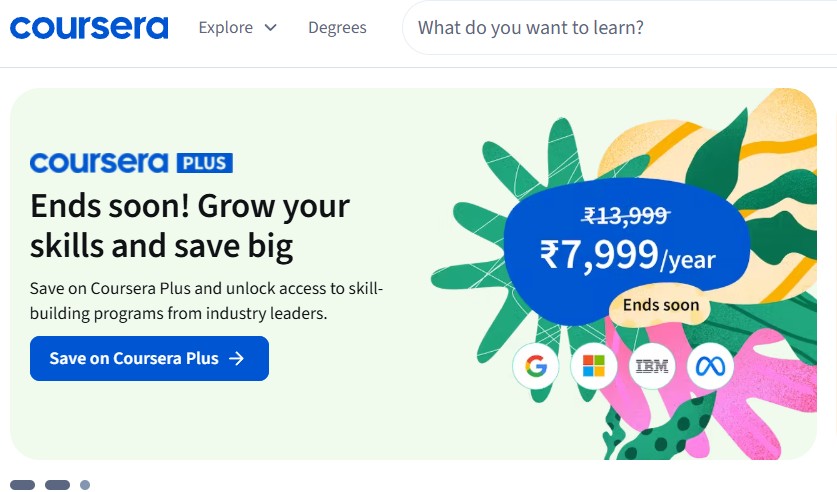
The modern world rewards people who continue learning throughout their lives. Education is no longer limited to schools or universities. Skills become outdated quickly, industries transform constantly, and new opportunities appear every year. Continuous learning has become one of the most valuable investments a person can make for long-term success and stability.
Online learning platforms like Coursera allow individuals to take control of their educational journeys in ways that were impossible in the past. Instead of depending entirely on traditional institutions, learners can build personalized skill sets based on their goals and interests. This flexibility creates endless opportunities for growth.
Career advancement is one of the biggest benefits of continuous learning. Employers increasingly seek individuals who demonstrate curiosity, adaptability, and a willingness to improve. Certifications and updated skills can improve job performance, increase promotion opportunities, and strengthen professional confidence.
The digital economy has created demand for new types of skills across almost every industry. Even traditional professions now require some level of digital understanding. Professionals who continue learning remain more competitive and prepared for future workplace changes.
Continuous learning also supports entrepreneurship and independent careers. Many people use online education to build businesses, freelance careers, or creative projects. Skills such as marketing, communication, finance, design, and technology can help individuals create additional income opportunities and financial independence.
Personal growth is another important benefit of lifelong learning. Education expands perspectives, improves critical thinking, and increases self-awareness. Learning new subjects can make life more interesting, meaningful, and intellectually stimulating.
Confidence often improves dramatically through education. Completing courses and mastering new skills creates a sense of achievement and capability. People begin to believe more strongly in their ability to handle challenges and pursue ambitious goals.
Global connectivity has also transformed learning experiences. Online platforms allow learners to interact with students and instructors from different countries and cultures. These experiences broaden understanding and encourage more open-minded thinking.
Beginners should remember that success rarely happens instantly. Building meaningful skills takes patience, practice, and dedication. Some learners become discouraged because they expect rapid results. However, long-term consistency usually produces far greater outcomes than short-term intensity.
The ability to learn independently is becoming one of the most valuable skills in the modern world. People who can teach themselves new concepts adapt more easily to changing circumstances and career demands. Online learning strengthens this independence and encourages proactive thinking.
One powerful aspect of continuous learning is that it creates momentum. Small achievements often lead to bigger ambitions. A beginner who completes one introductory course may eventually pursue advanced certifications, leadership roles, or entirely new career paths.
The future belongs to adaptable learners who remain curious and willing to grow. Technology will continue reshaping industries and creating new opportunities. Individuals who continue improving their knowledge and skills will be better prepared for these changes.
Learning should not be viewed only as a professional requirement. It can also become a source of personal fulfillment and lifelong inspiration. Exploring new ideas, subjects, and perspectives enriches life in meaningful ways beyond financial success.
Every expert once started as a beginner. The most important step is simply starting and remaining committed through challenges and uncertainties. Online education provides access to opportunities that can transform careers, improve confidence, and create brighter futures.
Success with online learning is not determined by age, background, or previous education. It is determined by mindset, consistency, and willingness to continue growing. Learners who remain patient, disciplined, and curious can achieve remarkable progress over time.
The journey of education never truly ends. Each new skill opens doors to additional opportunities and experiences. By embracing continuous learning through platforms like Coursera, beginners can create a future filled with growth, confidence, opportunity, and long-term success.