



The Evolution of DFDS from Shipping to Integrated Transport
Founded in 1866, DFDS has evolved from a traditional shipping company into a modern, integrated transport and logistics provider.
Originally focused on maritime operations, the company gradually expanded into road, rail, and logistics services. Today, it connects more than 20 countries through a comprehensive network that combines ferry routes with land-based transport solutions.
This transformation reflects a broader industry trend where transport companies are no longer limited to a single mode of movement. Instead, they operate as end-to-end logistics providers, offering seamless solutions for both passengers and freight.
By integrating multiple transport modes, DFDS has positioned itself as a key player in European trade and mobility.
The Role of Digitalization in Modern Logistics
Digital transformation is central to the strategy of DFDS.
The company has invested heavily in IT infrastructure and digital tools to improve efficiency, customer experience, and operational performance. These initiatives include:
- Real-time tracking systems
- Automated booking platforms
- Data-driven decision-making tools
Digitalization enables better coordination across the company’s extensive network, ensuring that goods and passengers move efficiently.
According to its strategy, the company aims to enhance customer experience and operational efficiency through digital innovation.
This focus on technology allows DFDS to remain competitive in an increasingly digital and data-driven industry.
Integrating Ferry, Road, and Rail Networks
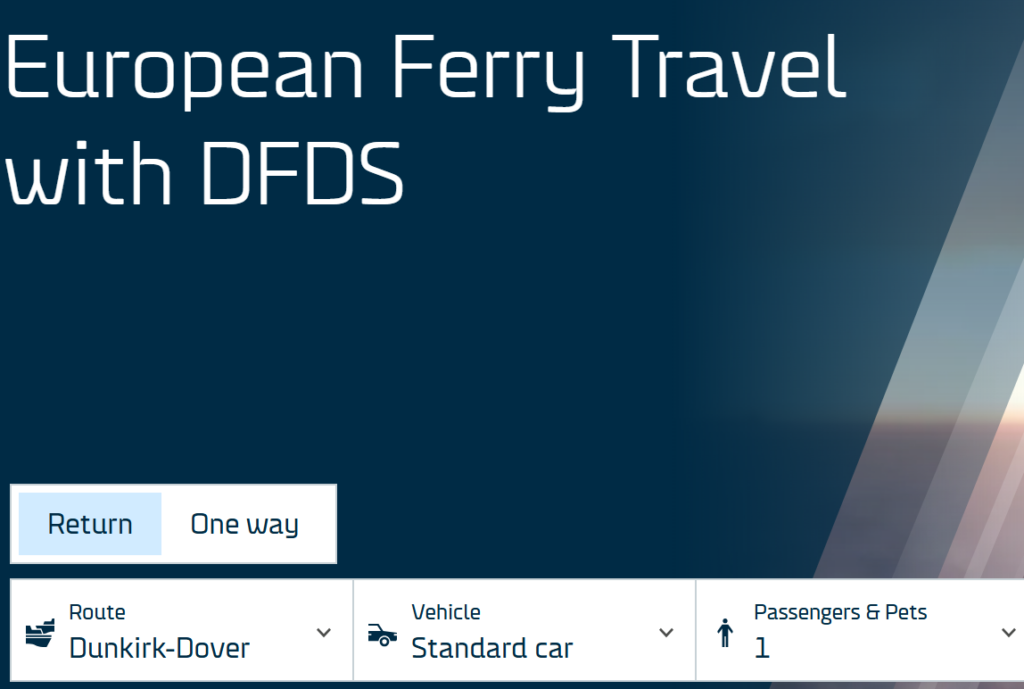
One of the defining strengths of DFDS is its integrated transport model.
The company combines:
- Ferry transport for long-distance routes
- Road transport for last-mile delivery
- Rail solutions for efficient inland movement
This multimodal approach provides customers with end-to-end logistics solutions.
The logistics division supports businesses with full-load and part-load transport, warehousing, and supply chain management services.
By integrating these services, DFDS reduces complexity for customers and improves overall efficiency.
Enhancing Customer Experience Through Technology
Technology is not only used for logistics but also to improve the customer experience.
DFDS has developed digital platforms that allow customers to:
- Book ferry crossings
- Track shipments in real time
- Access detailed travel and logistics information
The shift toward online booking is significant, with a large percentage of passenger bookings now made digitally.
This digital-first approach aligns with modern customer expectations, where convenience and accessibility are essential.
Sustainability and Green Innovation
Sustainability is a major focus for DFDS.
The company aims to become a net-zero business by 2050, with initiatives aimed at reducing emissions and improving environmental performance.
Key efforts include:
- Investing in low-emission ferries
- Using electric trucks
- Improving fuel efficiency
The “Moving to Green” strategy highlights the company’s commitment to sustainable transport solutions.
As environmental concerns become more important, these initiatives will play a crucial role in maintaining competitiveness.
Future Outlook: Innovation and Growth Opportunities

Looking ahead, DFDS is focused on innovation and growth.
The company’s “Moving Together Towards 2030” strategy emphasizes:
- Digital transformation
- Operational efficiency
- Expansion into high-growth markets
- Stronger customer partnerships
Recent expansions and acquisitions, particularly in regions like the Mediterranean, highlight its ambition to grow its network and capabilities.
As global trade continues to evolve, integrated logistics solutions will become increasingly important. DFDS is well-positioned to capitalize on this trend through its combination of technology, infrastructure, and expertise.