



Introduction to Shine and the Rise of Freelance Banking
The way people work has changed dramatically over the past decade. Traditional nine-to-five employment is no longer the only path to financial stability. Freelancers, consultants, creators, gig workers, and digital entrepreneurs are building independent careers that allow flexibility and global reach. However, one major challenge remains: managing finances in a system originally designed for salaried employees and large corporations.
Freelancers often face inconsistent income, delayed payments, international transactions, complicated tax obligations, and difficulty accessing credit or financial tools tailored to their needs. Traditional banks frequently treat freelance income as unstable, which can make it harder to secure loans, track cash flow efficiently, or manage multiple clients and currencies.
This is where Shine enters the picture. Shine positions itself as a modern freelance banking solution designed specifically for independent professionals. Rather than simply offering a standard current account, Shine provides an ecosystem built around invoicing, expense tracking, tax preparation, and financial management for self-employed individuals.
The concept of freelance banking goes beyond a digital account. It involves creating tools that simplify administrative burdens so freelancers can focus on what they do best. From generating professional invoices to automating expense categorization, platforms like Shine aim to remove friction from daily financial operations.
The rise of fintech innovation has accelerated this transformation. Digital banks now offer intuitive apps, real-time notifications, lower fees, and seamless integration with accounting software. For freelancers who work remotely and often internationally, these features are not just convenient — they are essential.
In this comprehensive guide, we will explore how Shine works, its key features, pricing structure, benefits, limitations, and whether it truly stands out as a complete freelance banking solution. Whether you are a designer, consultant, writer, developer, or digital entrepreneur, understanding how Shine operates can help you decide if it aligns with your professional and financial goals.
By the end of this article, you will have a clear and detailed understanding of Shine’s ecosystem, how it compares to traditional banking, and whether it deserves a place in your freelance toolkit.
How Shine Works: The Freelance Banking Model Explained
Shine is built around the idea that freelancers need more than just a place to store money. The platform integrates banking services with business management tools, creating a centralized hub for financial control.
At its core, Shine offers a professional business account tailored for self-employed individuals and small businesses. Opening an account is typically straightforward. The digital onboarding process allows freelancers to verify identity, submit required documentation, and activate their account entirely online. This eliminates the long paperwork procedures often associated with traditional banks.
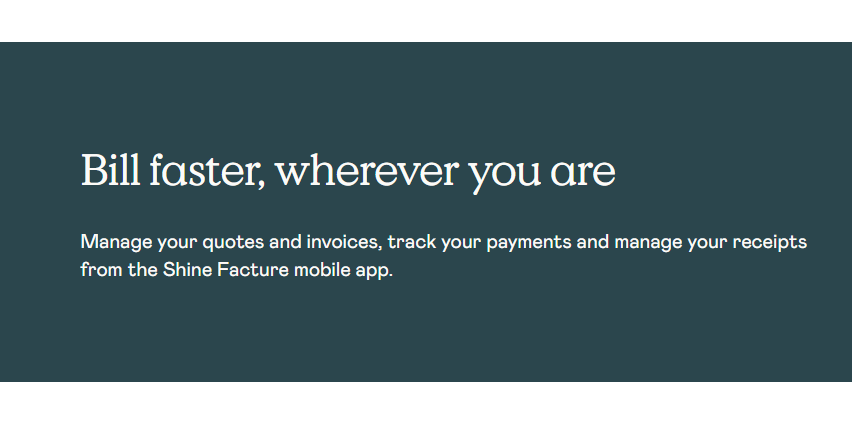
Once the account is active, users gain access to a mobile app and web dashboard that serve as the primary control center. The interface is designed for simplicity and clarity. Freelancers can track income, monitor expenses, review transactions in real time, and manage multiple clients efficiently.
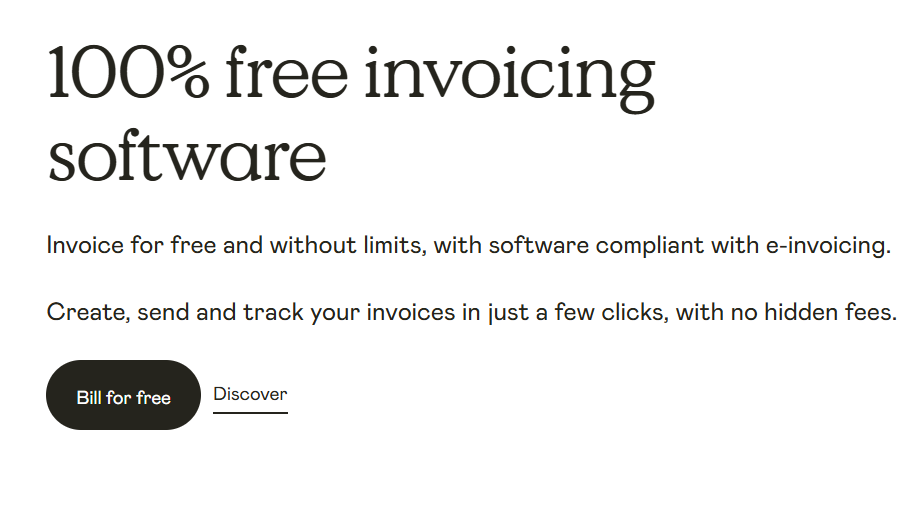
One of the defining aspects of Shine’s model is integrated invoicing. Instead of using separate software, freelancers can create, send, and manage invoices directly from the platform. Customizable templates allow users to maintain a professional brand image while ensuring compliance with legal invoicing standards.
Payment tracking is another core function. Shine enables users to see when invoices are paid and automatically reconciles transactions. This reduces manual accounting work and minimizes errors. For freelancers juggling multiple projects, this automation can save significant time.
Expense management is also central to how Shine works. Transactions are automatically categorized, and users can upload receipts through the app. This feature is particularly valuable during tax season, as organized records make reporting far simpler.
Shine often integrates with accounting software and may offer export features that simplify collaboration with accountants. Instead of manually compiling spreadsheets, freelancers can generate reports that summarize income, expenses, and tax-relevant data.
Another important aspect of the Shine model is financial insight. Many digital banking platforms provide analytics tools that help freelancers understand cash flow trends. By analyzing monthly income patterns, spending categories, and projected tax obligations, users gain better control over their financial planning.
Security is a fundamental component of the platform. Digital authentication, encrypted data transmission, and regulatory compliance help protect user information and funds. Real-time transaction alerts add an additional layer of transparency, enabling freelancers to detect unauthorized activity quickly.
In essence, Shine functions as a hybrid between a bank account and a financial management platform. It recognizes that freelancers operate differently from traditional employees and builds its services around flexibility, automation, and clarity.
The freelance banking model emphasizes autonomy. Rather than relying on multiple disconnected tools, Shine attempts to centralize essential financial tasks into one streamlined ecosystem.
Key Features of Shine for Freelancers
Shine’s value lies in its feature set. To determine whether it meets the needs of independent professionals, it is important to explore its core functionalities in detail.
One of the standout features is the dedicated business account for freelancers. Unlike personal accounts, this structure helps separate business and personal finances. This separation is critical for accurate bookkeeping, tax compliance, and professional credibility.
The invoicing system is a cornerstone feature. Freelancers can generate legally compliant invoices with customizable branding. Fields for payment terms, tax details, and client information are included to ensure professionalism and clarity. Some versions of the platform may allow automatic reminders for unpaid invoices, which reduces awkward follow-ups and improves cash flow.
Expense tracking is another powerful tool. Transactions are categorized automatically, and users can manually adjust categories if needed. The ability to attach digital receipts ensures that documentation is always accessible. This feature not only simplifies accounting but also provides peace of mind during audits or tax reviews.
Real-time notifications enhance transparency. Every transaction triggers an alert, allowing freelancers to monitor their finances instantly. This immediate feedback helps users stay aware of incoming payments and outgoing expenses.
Budgeting tools and financial analytics offer insight into business health. Users can review monthly income summaries, identify high-spending categories, and assess profitability. Over time, these analytics can guide smarter pricing decisions and strategic planning.
Another feature often highlighted is simplified tax preparation. Shine may provide estimated tax calculations based on recorded income and expenses. While it does not replace a professional accountant, it significantly reduces the stress associated with tax season.
Customer support is an important consideration. Digital banks rely heavily on app-based communication, so responsive support channels are essential. Shine typically offers assistance through chat or email, ensuring freelancers can resolve issues efficiently.
Some plans may include additional services such as insurance partnerships, business tools, or collaboration features for small teams. For freelancers planning to scale into agencies or small businesses, these tools can be particularly useful.
International payments and transfers are increasingly important in the freelance economy. Many freelancers work with global clients, so competitive exchange rates and low transfer fees are highly valued. Shine’s approach to international transactions can significantly impact its attractiveness to globally active professionals.
The combination of these features creates a comprehensive toolkit. Instead of juggling separate apps for invoicing, expense management, and banking, freelancers can centralize operations within one system.
However, features alone do not determine value. Usability, reliability, and transparency also play critical roles. A platform may offer numerous tools, but if the interface is confusing or fees are unclear, the user experience can suffer.
Overall, Shine’s feature set reflects a clear understanding of freelance challenges. It prioritizes automation, clarity, and integration — all essential for independent professionals managing dynamic income streams.
Shine Fees and Pricing Structure
Understanding fees is crucial before choosing any banking platform. For freelancers, unpredictable or hidden charges can disrupt already variable income patterns.
Shine typically offers tiered pricing plans. These may include a basic plan designed for solo freelancers and more advanced plans for growing businesses. The pricing structure often reflects access to additional features such as enhanced invoicing capabilities, advanced analytics, or premium support.
Monthly subscription fees are common in freelance banking models. While traditional banks may offer free accounts with limited features, digital platforms often charge a fixed monthly rate in exchange for integrated tools and convenience. For freelancers, the key question is whether the time saved and efficiency gained justify the cost.
Transaction fees are another important consideration. Domestic transfers may be free or limited within certain thresholds, while international transfers could incur charges. Exchange rate margins should also be examined carefully, especially for freelancers working with foreign clients.
Card payments and withdrawals may carry fees depending on usage and plan level. Some plans may include free withdrawals within specific limits, while exceeding those limits results in additional charges.
Late payment tools, invoice reminders, or premium support features might be locked behind higher-tier plans. It is important for freelancers to assess their needs realistically before selecting a plan.
Transparency is essential in evaluating pricing. Shine’s digital interface typically outlines fees clearly, but users should still review terms and conditions to avoid surprises.
Comparing Shine’s pricing to traditional banks can reveal its relative value. While subscription fees may seem higher initially, the integration of business tools often replaces the need for separate paid software. When combined, accounting software, invoicing platforms, and banking fees at traditional institutions may exceed the cost of a single integrated solution.
However, freelancers with minimal administrative complexity may find lower-cost options sufficient. Those who only need a simple account without advanced tools might not fully utilize Shine’s premium features.
Ultimately, the pricing structure should align with your workflow. If Shine’s automation reduces hours spent on bookkeeping and administrative tasks, the subscription cost can be viewed as an investment rather than an expense.
Careful evaluation of fees ensures that freelancers maintain control over profitability while benefiting from modern financial infrastructure.
Pros, Cons and Final Verdict on Shine
Every financial platform has strengths and limitations. Evaluating Shine objectively requires examining both.
One of the strongest advantages is its freelancer-centric design. Unlike traditional banks that adapt generic systems for self-employed individuals, Shine builds features specifically for independent professionals. The integrated invoicing and expense tracking tools create a streamlined workflow that reduces reliance on multiple platforms.
The user-friendly interface is another benefit. Clear dashboards, intuitive navigation, and real-time notifications enhance transparency and control. For freelancers who value efficiency, this simplicity is highly attractive.
Automation is a major strength. Categorized transactions, invoice tracking, and financial summaries reduce manual effort. This automation not only saves time but also reduces errors in bookkeeping.
However, Shine may not be ideal for every freelancer. Subscription costs can be a barrier for beginners or part-time freelancers with limited income. Those who operate on a very small scale might prefer free alternatives.
International features should also be evaluated carefully. Depending on the user’s client base, exchange rate margins and transfer fees could influence overall profitability.
Customer support responsiveness is critical in digital banking. If support channels are slow or limited, users may feel constrained during urgent financial matters.
Another consideration is dependency on a digital ecosystem. While convenience is high, users must rely entirely on app-based access. Those who prefer in-person banking services may find this model less appealing.
Despite these considerations, Shine represents a strong evolution in freelance banking. It acknowledges that freelancers are entrepreneurs who require professional tools, not simplified personal accounts.
The final verdict depends on individual priorities. For full-time freelancers managing multiple clients and complex cash flow, Shine can provide significant value through integration and automation. For occasional freelancers with minimal administrative needs, the benefits may be less pronounced.
In a rapidly evolving freelance economy, financial infrastructure must adapt. Shine demonstrates how digital innovation can address long-standing challenges faced by independent professionals.
Choosing the right banking solution is not just about storing money. It is about creating a foundation that supports growth, stability, and confidence in managing a freelance career.
Shine positions itself as more than a bank. It aims to be a partner in financial organization and professional development for the modern freelancer.